The winter is dreadful for many reasons- the main reason being the weather. While the early sunsets might bum you out, they also mean the produce just isn’t as good. No worries, though! You can finally take matters into your own hands and grow yourself juicy, fresh tomatoes this year!
The most important thing to remember when growing tomatoes indoors is that they will likely need to be manually pollinated. While this may seem like a very involved and complicated task, fear not, while other plants need a complex scientific approach, tomatoes are easy to pollinate.
Pollinate your plants by tapping the back of the flowers with a q-tip, or just with your finger- provided you wash your hands. Gently shake the pollen loose. Since tomatoes are self pollinating, they will handle it from there. Just repeat this process for three to four days to make sure the pollen takes.
The pollen drops from a male plant onto a pollinator who visits the plant for nectar. The pollinator then carries this pollen to a different flower, where it will stick to the stigma, the female pollination organ on the plant.
This is how the plant will “reproduce”, growing fruit which will later result in the production and spreading of seeds. Because pollination, and therefore pollinators, are so vital to the plant life cycle, plants have evolved over time to bloom at different times, ensuring that the work of pollinators is evenly distributed and does not become susceptible to lack of pollination due to too much competition.
This is why it is always requested outdoor gardeners diversify their yards, because humans want to ensure pollinators have access to the plants they need throughout the year, especially as they have developed migratory and hibernation patterns.
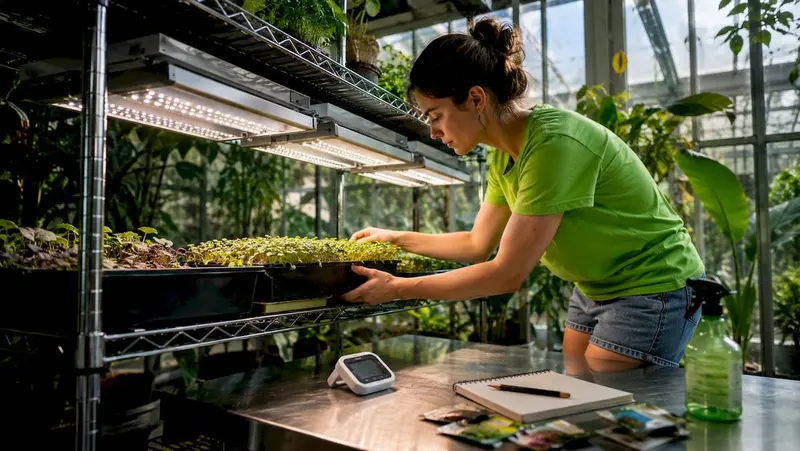
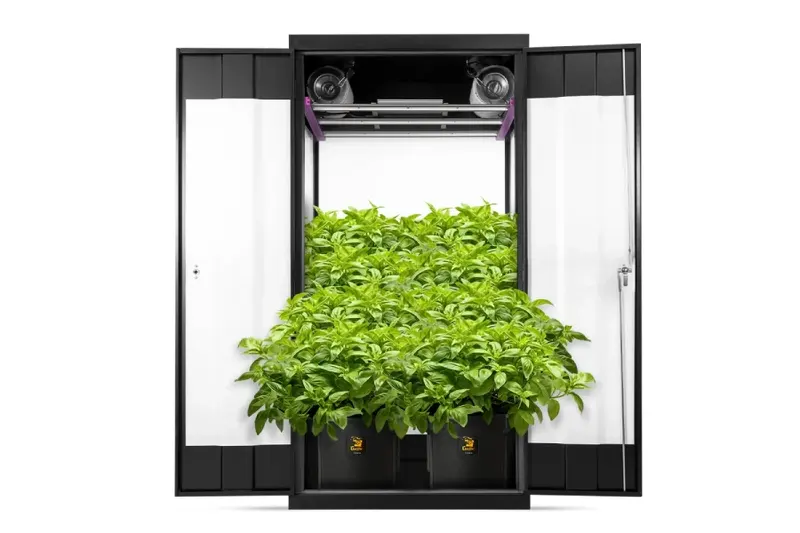
Vertical gardening is a great option for those lacking in floor space. The Highland Track Light System will help you with traditional plant walls, but if you get creative with your structure, you could even use a series of Grove fixtures to create a grow ladder effect sure to impress every person who enters your home.
Need design inspiration? There's plenty to be found.
Hydroponics- the right solution for you and your home?
Large scale hydroponics systems can sometimes be an issue when installed outdoors, as some neighborhoods and municipalities have rules against installing large bodies of standing water. This is an issue, as bugs like mosquitoes lay eggs in such systems. Luckily, this should not be an issue if a much smaller system is maintained indoors.
Indoor hydroponics could save you the energy and effort of constant soil cleanup, and as an added plus, if you keep the water clean pests should not present as much of an issue. This will be hugely beneficial for plants which fruit, as pests are already more likely to strike.
If you opt for traditional growing, get new soil. Outdoor soil can introduce pests and other diseases into your indoor growing setup. This means you not only risk introducing bugs and mold to your home space and to your family members, but also contaminating your whole crop and any other houseplants you may have.
Your garden will now be in a condensed space, keep this in mind. Quarantine any additions to prevent the spread of health risks. Check your crop regularly, as well, to handle any problems which may arise as quickly as possible.
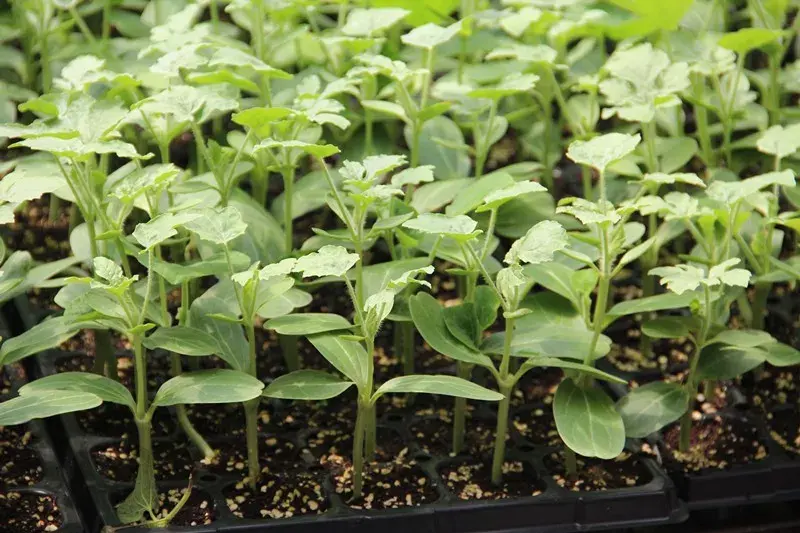
Prepare well draining planters for your crops. If you are gardening out of season, then you will most likely need to start your plants from seed, so keep this in mind as it may influence what sort of planter or growing mechanism you invest in. Do your research on sprouting the plants you want to grow.
Heat is more important than light at this stage, so find a consistently warm spot or invest in a heat mat. The seeds will germinate, and once they do sprouts will form. After about a month, you will need to transfer them into different pots.
This is where you need to pay attention to the space you have available. You will need to allow a decent amount of room for the tomato plants to grow properly. Pick species of tomatoes which do not grow too large, in order to avoid any issues.
The plant of a small fry may grow larger than other determinate tomato species, but it produces bundles of small “grape” sized fruits that will brighten up salads and sides all winter long.
This is a determinate variety of tomato, one which is a bright orange rather than bright red. It remains rather small, but the fruit it produces is known for its delicious and unique flavor. It’s hardiness and small size make it a wonderful choice for container growing.
An indeterminate variety, these tomatoes are incredibly hardy. The plant produces heavily, and while you will have to work to manage the vines, you will be rewarded for your efforts with plenty of delicious, medium size fruits.
Once you have selected and started your tomatoes, decide your setup. Will they be spread throughout your home, or will you be devoting a whole room to them? In many ways, this mostly depends on the crop you expect to have. If you are attempting to grow a few tomatoes as a fun science experiment, and expect nothing more than a fun February caprese salad, then you can just add a few plants to your living room setup along with your other houseplants.
The Aspect grow light is a great option for saving floor space, as it is uniquely designed to hang from a wall or ceiling without having to worry about placing a fixture anywhere. For those only hoping to give this project the old college try, the Aspect is the choice for you.
Now, if you want a whole tomato crop, and are willing to invest a whole room, basement or garage to this project, you will need more lighting for your setup. Consisting of four Vita bulbs, these lights can either be installed in any common lamp base, or hung from the ceiling using a Pendant Kit. You can leave them hanging even after you transfer back to your outdoor garden, if you choose!
Once the plants have been germinated and sprouted, care is roughly the same at this stage when compared to outdoor-intended plants.
At this point, you have smaller tomato shoots ready. You will need to separate them and repot them into larger containers. Again, this is when it is most important to consider the setup you have, and how much space you are willing to sacrifice for this project.
Allow the soil to dry between waterings, every few days or so.
When first moved to a larger container, the plants should be fertilized every two weeks. Once you see signs of fruiting, do so once a week.
The main problem with growing these plants inside is they do not have the same space outdoor plots provide. Keep a careful eye on your plants, and keep larger pots on hand in case they require another transfer.
Early is better with tomatoes. The tomatoes should still be a little green, and allowed to reach full redness off the vine. This will ensure they are flavorful, as well as safe from cracking and insect invasion.
Do your research. You have likely opted for a vining variety, referred to as an indeterminate species. If you find you're losing more space than you originally planned, it is because you have opted for this breed as opposed to the smaller, more compact and manageable determinate tomato. Not to worry, though, you can prune indeterminate varieties by carefully trimming away the “suckers” which form on the vines.
The extra upkeep may have you opting for determinate species, but don’t forget these varieties have the benefit of producing more fruit than their dwarf counterparts.
Some common issues that can arise on tomatoes can include:
Aphids will probably be the easiest pest for you to identify on your plants, as they are large enough to be seen with the naked eye. If your plants are beginning to turn yellow and droop, look to the underside of the leaves to see if you can spot them draining the sap from your plant. Remove aphids quickly, as they can lead to mold developing and other pests following their trail of waste.
This is a great organic alternative to pesticides, and can be used in combination with garlic to create an extra effective solution. However, only do this if you are okay with your plants smelling like an Italian restaurant.
White flies should also be pretty easy to spot, as they’ll be seen flying around the leaves if you disturb the plants foliage. White flies have developed a certain amount of tolerance to toxic pesticides, so you're going to have to reach elsewhere for your removal method. However, you can invest in a plant vacuum to suck the little buggers up. After they have been removed, prune any damaged leaves and spray the plant down with a solution of dish soap and water. You can also apply neem oil, to deter future infestations.
If you notice the bottom of your tomatoes beginning to turn brown and caving in, then your plant is lacking in calcium. Watch your watering schedule, and carefully manage your soil to avoid these issues. Over and under hydrating plants, as well as over fertilizing, can disrupt the calcium stores within the soil. Be careful when selecting your tomato variety, as well, as some are more sensitive than others. Even if some tomatoes fall victim to blossom end rot, you can still eat them as long as you remove the affected area.
Make sure that you rotate your plant regularly, so each angle gets adequate access to your light source.
Give heavy vines with fruit on them trellises or stakes to help hold them up as they grow. This will also help you space stay as organized and as un-jungly as possible
You may be wondering, what do I do once I have collected my crop? Well, keep the whole cycle going! You can get more than one crop out of a plant, when not limited by growing seasons.
Growing plants presents a whole host of mental and physical health benefits, and adding in some fresh fruit and veg you do not see regularly during the colder months will certainly boost that effect! Plus, you can experiment with a new hobby you and your whole family can participate in.


คำถามและการอภิปราย
มีคำถามหรือสิ่งที่มีประโยชน์อยากแบ่งปันไหม? เริ่มการสนทนาได้เลย