Indoor gardening has exploded in popularity, and with it, the use of grow lights. But one of the most common questions new (and even experienced!) plant parents ask is: "Can my houseplants get too much light?" The answer, surprisingly, is a resounding YES!
Just like Goldilocks and her porridge, plants need light that's just right. Too little, and they'll struggle to thrive. Too much, and you'll see signs of stress that can be just as damaging.
The Dark Side of Too Much Light: What Happens?
Think of light as a plant's food source. Too much food, and they get "sick." Here's what happens when your plants get a light overdose:
Leaf Scorch: The most obvious sign. Brown, crispy tips and edges appear, just like a sunburn.
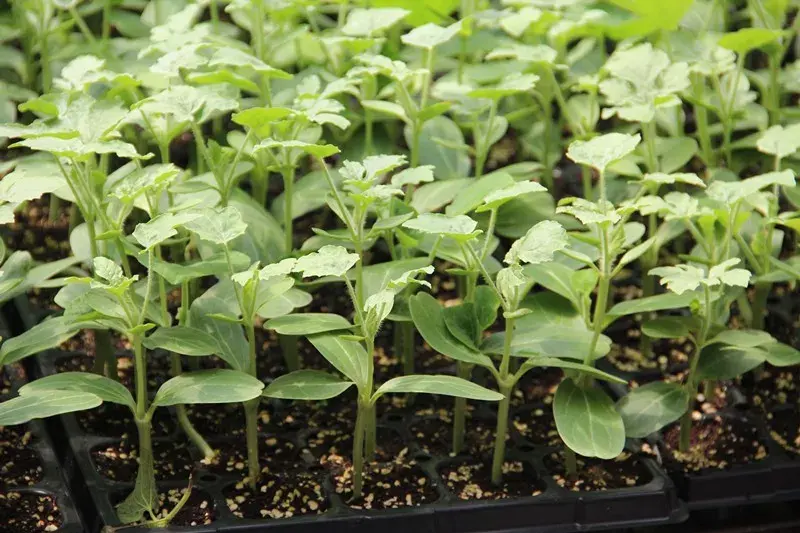
Bleaching: Leaves lose their vibrant green color, turning pale yellow or even white. This indicates damage to chlorophyll, the pigment essential for photosynthesis.
Stunted Growth: Paradoxically, excessive light can slow growth as the plant shifts into survival mode.
Crispy Texture: Leaves become dry, brittle, and easily crumble.
Wilting: While often a sign of underwatering, wilting can also occur with light stress as the plant tries to conserve moisture.
Leaf Drop: In extreme cases, the plant will shed leaves to reduce its light exposure.
Unusual Colors: Some plants may develop red or purple tints as a stress response.
Reading the Signs: Is Your Plant Sunburned?
Brown, crispy tips and edges: The classic indicator of leaf scorch.
Yellowing leaves (especially newer growth closer to the light): Distinguish this from the natural yellowing of older leaves.
White or pale patches: A clear sign of bleaching.
Downward or inward curling leaves: The plant is trying to protect itself.
A "washed out" appearance: Overall loss of vibrancy.
Grow Light 101: Duration, Intensity, and Distance
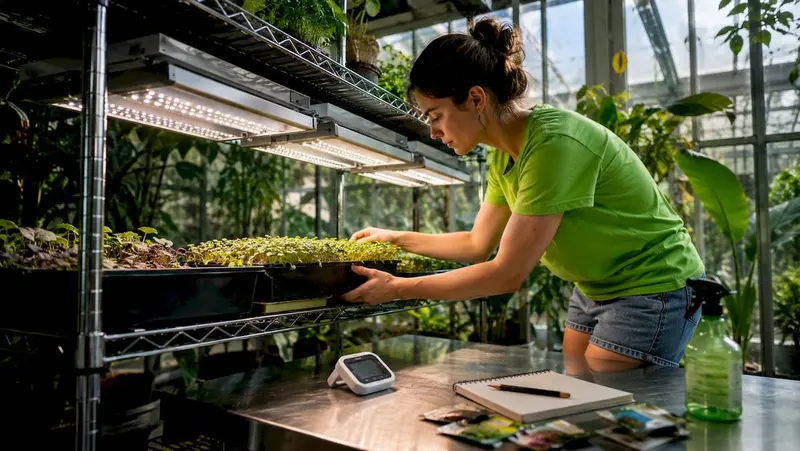
The right amount of grow light depends on several factors:
Plant Type: Low-light plants (ZZ plants, Snake plants) need less, while high-light plants (succulents, herbs) need more.
PPFD (Photosynthetic Photon Flux Density): This measures the amount of light usable for photosynthesis. Higher PPFD = more intense light.
Existing Natural Light: Supplement less if your plant gets some natural light.
Growth Stage: Seedlings and flowering/fruiting plants often have higher light demands.
Distance: The closer the light, the more intense the exposure.
Aspect: A stylish pendant light combining aesthetics and function. It boasts a high PPFD output, making it excellent for medium to high-light plants. Comes in different sizes and wattages.
Vita: A versatile grow light bulb that fits standard sockets. It has a lower PPFD than the Aspect, suitable for low to medium-light plants or supplementing natural light.
Key Takeaways for Grow Light Success:
Start Conservatively: Begin with the lower end of the recommended duration.
Observe, Observe, Observe: Watch for signs of too much (or too little) light.
Use a Timer: Essential for consistency!
Distance Matters: Start further away and gradually move closer only if needed.
Acclimate Gradually: Introduce new or stronger light slowly to avoid shock.
Check Leaf Temperature: If leaves feel warm, the light is too close.
Grow lights are invaluable tools for indoor gardening, but they require understanding and careful use. Happy growing!


Vragen en discussie
Heb je een vraag of iets nuttigs te delen? Start het gesprek.