Indoor gardening offers a world of possibilities for plant enthusiasts, allowing them to cultivate a diverse array of crops year-round, regardless of outdoor conditions. However, achieving success in indoor gardening requires careful attention to detail, particularly when it comes to managing temperature and humidity levels in your grow box.
The Fundamentals of Temperature and Humidity Management
Understanding Temperature: Finding the Sweet Spot
Temperature is a critical factor in plant growth, influencing everything from seed germination to flowering and fruiting. Different plant species have specific temperature requirements, with most indoor plants thriving in temperatures ranging from 65°F to 75°F during the day and slightly cooler temperatures at night. Maintaining a stable temperature within this range is essential for optimizing growth rates, preventing stress-related issues, and ensuring overall plant health.
Deciphering Humidity: Striking the Right Balance
Humidity refers to the amount of moisture present in the air and plays a crucial role in regulating plant transpiration, nutrient uptake, and disease susceptibility. Indoor plants typically thrive in relative humidity levels ranging from 50% to 70%, although specific requirements may vary depending on the plant species and growth stage. Balancing humidity levels is essential for preventing moisture-related problems such as mold, mildew, and fungal diseases, as well as promoting healthy root development and foliar growth.
The Impact of Temperature and Humidity on Plant Health and Growth
Temperature: Influencing Plant Physiology
Temperature influences various physiological processes in plants, including photosynthesis, respiration, and transpiration. Optimal temperature conditions promote efficient photosynthetic activity, leading to increased biomass production, higher yields, and improved overall plant vigor. Conversely, extreme temperatures can disrupt metabolic processes, inhibit nutrient uptake, and increase susceptibility to pests and diseases, ultimately compromising plant health and productivity.
Humidity: Affecting Water Management
Humidity plays a crucial role in plant water management, influencing the rate of transpiration, water uptake, and stomatal conductance. High humidity levels can slow transpiration rates and reduce water loss, but they can also create conditions conducive to fungal diseases and pest infestations. Conversely, low humidity levels can accelerate transpiration and increase water stress, leading to wilting, leaf scorch, and reduced growth rates. Maintaining optimal humidity levels is essential for promoting healthy water balance and preventing moisture-related problems in indoor plants.
Strategies for Temperature and Humidity Management in Grow Rooms
Implementing Environmental Control Systems
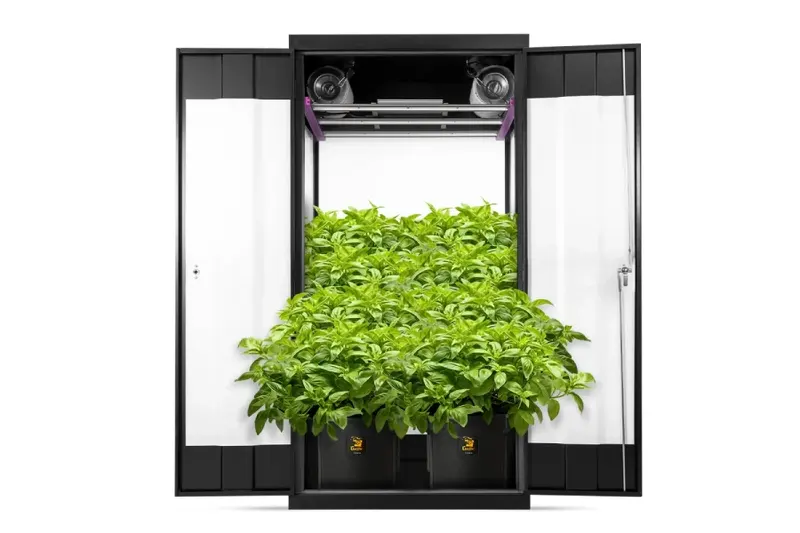
Investing in environmental control systems such as heaters, air conditioners, humidifiers, and dehumidifiers is essential for regulating temperature and humidity levels in grow rooms. Programmable controllers allow growers to set precise parameters and automate adjustments based on real-time sensor readings, ensuring consistent growing conditions throughout the day and night.
Enhancing Air Circulation and Ventilation
Proper air circulation and ventilation are crucial for maintaining uniform temperature and humidity levels in grow rooms. Installing fans, air movers, and exhaust systems helps promote air exchange, prevent stagnant air pockets, and distribute heat and moisture evenly throughout the growing space. Strategic placement of ventilation openings and ductwork can further optimize airflow and create microclimates tailored to the needs of different plant species.
Monitoring and Adjusting Growing Conditions
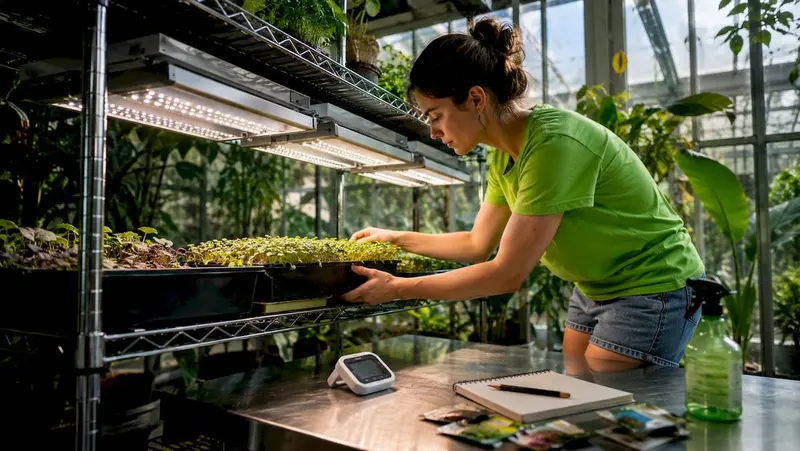
Regular monitoring of temperature and humidity levels is essential for identifying potential issues and making timely adjustments to growing conditions. Using digital thermometers, hygrometers, and data loggers allows growers to track environmental parameters accurately and respond proactively to fluctuations or deviations from optimal ranges. Monitoring plant response to temperature and humidity levels, such as leaf curling, wilting, or yellowing, can also provide valuable insights into growing conditions and help guide management decisions.
Conclusion: Cultivating Success in Your Indoor Garden
By mastering the art of temperature and humidity management in your grow room, you can create an environment that promotes healthy plant growth, maximizes yields, and minimizes the risk of pest and disease outbreaks. By understanding the fundamental principles of temperature and humidity regulation, implementing appropriate strategies and technologies, and monitoring growing conditions closely, you'll be well-equipped to cultivate thriving indoor gardens year-round. With dedication, patience, and a bit of know-how, you can unlock the full potential of indoor gardening and enjoy the rewards of bountiful harvests and lush, vibrant plant life.

Domande e discussione
Hai una domanda o qualcosa di utile da condividere? Avvia la conversazione.