As a gardener, it’s up to you to ensure the plants have the nutrients they need.
Learn How to Control VPD with Aaron!
Ultimately, VPD is one method for calculating the air’s thirst for moisture.There are three components to consider here:
AVP (Actual/Ambient Vapor Pressure) – This is the current moisture level in the air.
SVP (Saturation Vapor Pressure) – This is the maximum amount of moisture the air could hold.
Deficit – This is the calculation between the current moisture level and the maximum the air can hold.In a sense, vapor pressure deficit controls how your plantsphotosynthesize and respirate.
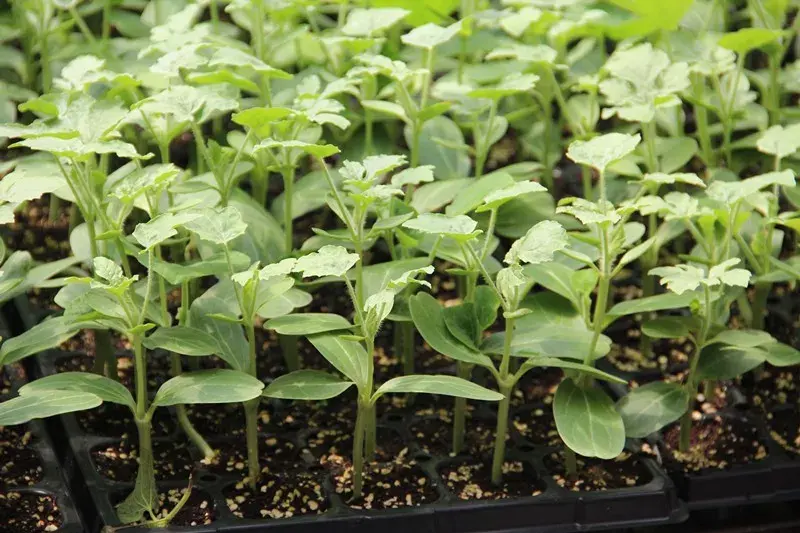
Here are a few things to keep in mind:- VPD for Seedlings/Clones – Between .6 to .8 kPa- VPD for Veg – Between .9 to 1.1 kPa- VPD for Flower – Between 1.2 to 1.5 kPaTo get a better idea of what you require, check out this VPD chart:
There are two trigger types in the VPD mode of the Controller 69 Pro: high and low. You go into that setting and can set your trigger points.
Though there are two triggers (low and high), they can simultaneously be activated if you’re not viewing specific ones.Therefore, you should turn off the option that is not being used so it won’t interfere with the active one.
When you set the high VPD trigger, it will activate the tent devices you’ve installed, such as humidifiers and AC units, to either add cool air or moisture to your growing environment.
You’ll also find the low VPD trigger. This inversely activates your tent devices to heat the air or remove moisture to get you back down to your set point.
Ultimately, the types of devices you might have set up in your tent include dehumidifiers, heaters, air conditioners, and exhaust fans.
Then, you can adjust the other one to avoid both of them fluctuating.
When you have a high VPD, this means your air is likely too dry. For example, you’ve got a 44 percent relative humidity and are sitting at 82 degrees Fahrenheit. Your vapor pressure deficit is 1.9 kPa, which is a little excessive because the target range is 1.2 to 1.5 kilopascals.
If you want to know how to lower VPD in this situation, you’d hold the temperature consistent at 82 degrees Fahrenheit and increase the humidity to 60 percent. In time, you’d drop to 1.3 kPa.
A situation like this for the flowering stage indicates the goal is to have 1.2 to 1.5 kPa.Therefore, you’d need a humidifier, and your trigger would be the high VPD. If you’re struggling to keep in that range, you might use a 1.4 trigger instead of a 1.5kPa trigger.
There are a few solutions when you have a low VPD, including:- Raise the Temperature – Warmer air tends to hold more moisture, so if you raise the temperature, you’ll decrease the relative humidity while increasing VPD. Set your heater to turn on at a lower vapor pressure deficit, such as 1.1 in bloom.
Decrease Humidity – Lowering the humidity levels can increase VPD because you’re reducing the moisture content within the air without altering the temps. This raises the deficit between the wetness present and how much can be held.
Overall, you can use a dehumidifier or an exhaust fan to put cooler, drier air into the tent. You’re flowering, and it’s 77 degrees Fahrenheit in the tent with a 64 percent relative humidity. However, your vapor pressure deficit is at 1.1 kPa, which is low.
If you have your heater on a low VPD trigger of 1.3, it would kick on to raise the temperature.Once it hits 81 degrees Fahrenheit, it would shut off because the vapor pressure deficit number now meets the minimum range.Here are the points to ponder:- The device is the heater.- The trigger is “low VPD.”- The setting is 1.3 kPa.- The buffer is 0.1 kPa.- The transition is also 0.1 kPa.Depending on the environment, you can use heaters for a low VPD trigger and exhaust fans set to auto mode for a high-temp prompt.
"VPD is a simply a ratio between temperature and humidity"
Be aware that there will be a change in temperature from the air around your plants to the actual temp of them.
You’ll find many calculators online that allow you to adjust the number based on the difference.
The only way to get the leaf temperature is to use an infrared thermometer.
If you’re searching for the VPD, consider using AC Infinity’s Controller 69 Pro. With it, you can precisely control your grow room’s vapor pressure deficit. You must understand your growing environment, know the zone you live in, and more.
Do you need help controlling your VPD levels?
Yes, when VPD levels are incorrect your plants will not transpire and photosynthesize efficiently.
Make your VPD go down by decreasing your temperature or increasing your humidity.
If your temperature swings are outside of your plants recommended range
What is the VPD for late flowering?
In late flowering you'll want your VPD between 1.0 and 1.3 kPa.
Everything You Need to Know About Ventilation, Temperature, Humidity & Co2
Effects of pH and Temperature on Organic Nutrients


Questions & discussion
Have a question or something useful to share? Start the conversation.