How Do Self-Watering Pots Actually Work?
Despite the name, these pots don’t literally water themselves; they use a sub-irrigation system to provide moisture from the bottom up. Most designs consist of a separate water reservoir at the base and a wicking mechanism—usually a cotton rope or a porous chamber—that draws water into the soil via capillary action.
This "bottom-watering" method mimics natural ground moisture, allowing roots to take only as much water as they need.
Top-Rated Self-Watering Pots for 2025
If you are looking for a blend of eco-friendly practices and high-end aesthetics, the Tierra Verde Sonata is a top choice.
Design: These pots offer a sleek fiberglass look but are actually crafted from 98% recycled rubber.
Durability: Because of their material, they are virtually unbreakable and weather-resistant, making them great for transition areas like sunrooms or balconies.
Function: The built-in reservoir and overflow valve ensure that even if you accidentally overfill it, your plant’s roots won't sit in stagnant water.
Lechuza is often considered the gold standard in self-watering technology.
The System: They use a proprietary inorganic substrate called LECHUZA-PON as a drainage layer, which helps regulate water supply to the roots perfectly.
Monitoring: Their sophisticated water level indicators are among the most accurate on the market, taking the guesswork out of when to refill the reservoir.
Aesthetics: With a glossy, high-quality finish, these pots are designed to look like professional office decor, fitting perfectly in modern living rooms.
The Santino line is highly popular for those who prioritize modern home styling without a massive price tag.
Dual-Layer Design: These pots consist of an inner planter that holds the plant and an outer pot that acts as the reservoir.
Air Circulation: Their unique design allows for excellent air circulation around the root ball, which prevents the "sour soil" smell often associated with cheaper self-watering pots.
Visibility: Many models feature a clear window or simple indicator to let you know exactly how much water remains.
For the budget-conscious gardener, Gardenix offers highly functional nested sets that don't skimp on quality.
Ease of Use: These pots utilize a heavy-duty cotton wick to draw water up, a system that is very easy for beginners to set up and maintain.
Versatility: They are typically sold in multi-packs of various sizes, allowing you to create a cohesive look across your entire indoor plant collection.
If you are growing a kitchen herb garden, the Creation window boxes are a standout.
Form Factor: Specifically designed for narrow spaces like kitchen windowsills, they maximize sunlight for your herbs.
Constant Hydration: Herbs like basil are incredibly thirsty; this reservoir system keeps the soil consistently moist so you can harvest fresh leaves every day without worry.
This is a "smart" choice for large statement plants like Fiddle Leaf Figs or Monsteras.
TruDrop Technology: Their TruDrop One system is an innovative design where the reservoir is built into the walls of the pot.
Extended Refills: This massive reservoir can often go up to 6 weeks between refills, making it the solution for frequent travelers.
Portability: Despite their large size, many Crescent Garden pots are remarkably lightweight, allowing you to move your statement plants as needed for seasonal light.
Which Indoor Plants Thrive in Them?
While many plants enjoy the consistent moisture of a sub-irrigation system, others (like cacti or succulents) may find the soil too damp.
Peace Lilies: Notorious for "fainting" when dry, they stay perky with a constant water supply.
Pothos: These vigorous growers happily drink from a reservoir at their own pace.
Ferns: Most varieties crave high humidity and evenly moist soil, making these pots a match.
African Violets: They prefer water away from their leaves, which bottom-watering provides perfectly.
Kitchen Herbs: Basil, mint, and parsley thrive with the steady hydration these systems offer.
The "Establishment" Phase: When you first transplant a plant, its roots won't reach the reservoir yet. Water from the top for the first 2–3 weeks until the root system grows downward.
Use the Right Soil: Standard potting soil can sometimes become too compacted or waterlogged. Look for a lightweight, well-draining mix often labeled for "sub-irrigation" or semi-hydroponics.
Monitor for Algae: Occasionally clean the reservoir to prevent algae growth or mineral buildup.
Fertilize Carefully: Nutrients can concentrate in self-watering systems. Use a diluted liquid fertilizer or slow-release pellets to avoid nutrient burn.
Complementing Your Setup with Grow Lights
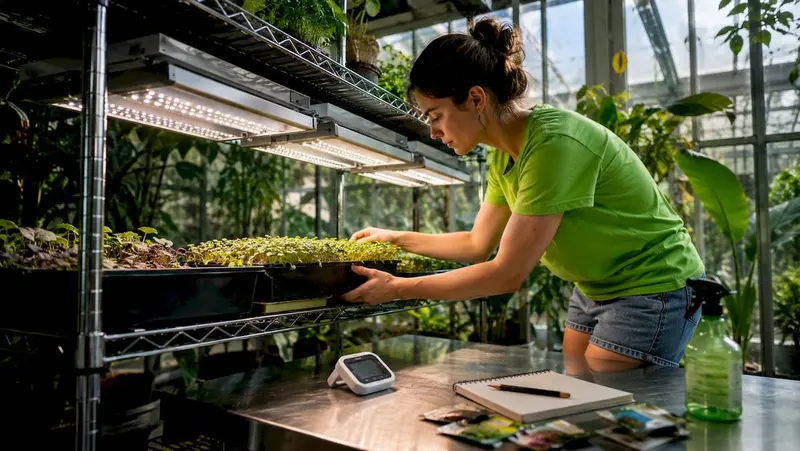
Self-watering systems provide consistent hydration, but without adequate light, indoor plants cannot photosynthesize effectively, leading to "leggy" growth or root rot even with moisture.
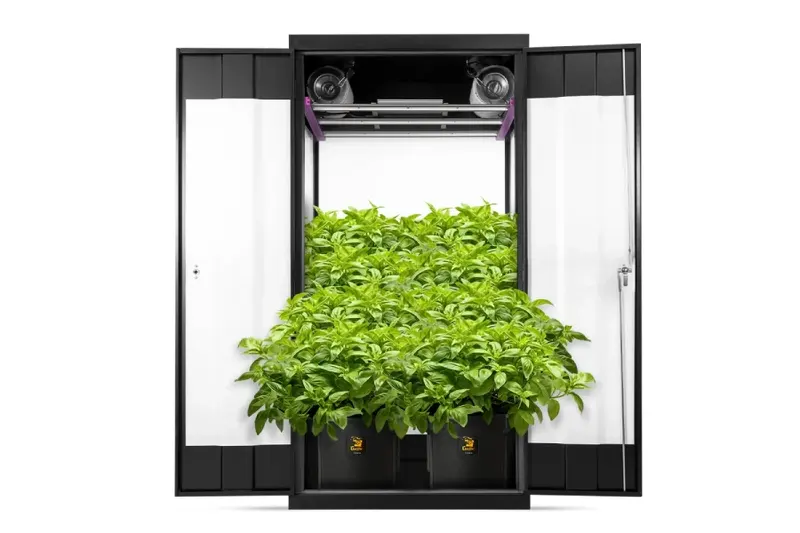
Placement Flexibility: Grow lights allow you to place your self-watering pots in areas previously considered "dead zones," such as windowless hallways or dark corners.
success in indoor gardening is all about creating a consistent environment where your plants can thrive with minimal stress. Transitioning to self-watering pots is a long-term investment in your plant’s health, moving away from the "all-or-nothing" hydration cycles that often lead to root rot or wilting. By matching the right pot—whether it’s the tech-forward Lechuza or the eco-friendly Tierra Verde Sonata—to your specific plant’s needs, you effectively automate one of the most challenging parts of plant care.

Questions & discussion
Have a question or something useful to share? Start the conversation.