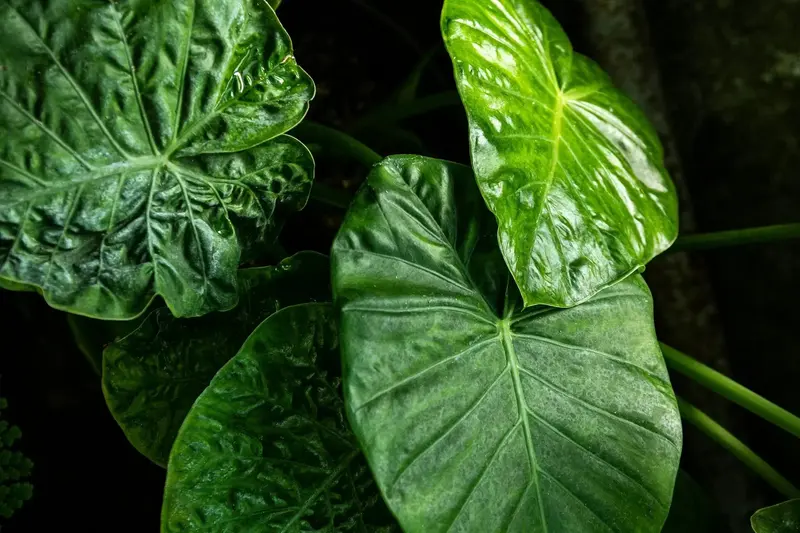
Elephant Ear plants (Colocasia and Alocasia) are the crown jewels of any tropical-inspired garden. Known for their massive, heart-shaped leaves that can reach several feet in length, they bring a dramatic, lush aesthetic to both indoor and outdoor spaces. However, keeping these "gentle giants" thriving requires a specific balance of moisture, light, and nutrients.
Quick Takeaway: Elephant Ear Care Essentials
If you’re looking for the "fast facts" to keep your plants thriving, here is the cheat sheet for success:
Environment: Aim for bright, filtered light. Think of a sunny room with sheer curtains or a partially shaded garden spot.
Watering Routine: These plants are water-lovers. Keep the soil consistently moist (like a wrung-out sponge) but never soggy.
Boost Growth: Use a balanced liquid fertilizer every 2–3 weeks during the spring and summer to support the large foliage of the Elephants Ear. Check out this article from the Smithsonian Gardens on the importance of fertilizing plants!
Winter Prep: Remember that these are tropical plants. If you live in a cold climate, bring them indoors or store the tubers before the first frost hits.
By following these simple steps, you can ensure your Elephant Ears remain the healthy, dramatic centerpiece of your collection.
Understanding the Basics: Light and Location
To get those iconic, oversized leaves, you must place your Elephant Ear in the right environment.
Sunlight Needs: Most varieties thrive in filtered sunlight or partial shade. While some Colocasia can handle full sun if they have enough water, intense afternoon rays can scorch the leaves of Alocasia.
Indoor vs. Outdoor: If growing indoors, place them near a large window with bright, indirect light. Outdoors, choose a spot protected from heavy winds, as the large leaves can easily tear.
Elephant Ears are thirsty plants. Their natural habitat is often near riverbanks or in swampy areas, meaning they have a high tolerance for water.
Soil Consistency: Keep the soil consistently moist but not waterlogged. A good rule of thumb is to water when the top inch of soil feels dry.
Drainage is Key: While they love water, they don't like "wet feet" for extended periods, which can lead to root rot. According to University of Wisconsin- Madison root rot is the deterioration of a plant’s root system. Ensure your pots have drainage holes or your garden soil is rich enough to drain excess moisture.
Because they grow so quickly and produce such large foliage, these plants are "heavy feeders."
Rich Soil: Use a potting mix high in organic matter, such as peat moss or compost.
Fertilization: During the peak growing season (Spring and Summer), apply a balanced liquid fertilizer every 2-3 weeks. This provides the nitrogen boost necessary for leaf development.
Proper maintenance keeps the plant looking tidy and prevents the spread of pests.
Removing Old Leaves: It is natural for the oldest, bottom-most leaves to turn yellow and droop as new ones emerge from the center. Use sterilized shears to cut these off near the base of the stem.
Cleaning the Foliage: Dust can accumulate on the broad leaves, blocking sunlight. Periodically wipe the leaves with a damp cloth to keep the "pores" clear and the plant breathing easily.
Elephant Ears are tropical and cannot survive freezing temperatures.
Quick Tip: If you live in a climate with frost, you must dig up the tubers (bulbs) in the fall, dry them out, and store them in a cool, dark place like a basement until spring.
Supplementing The Sun for Year-Round Growth
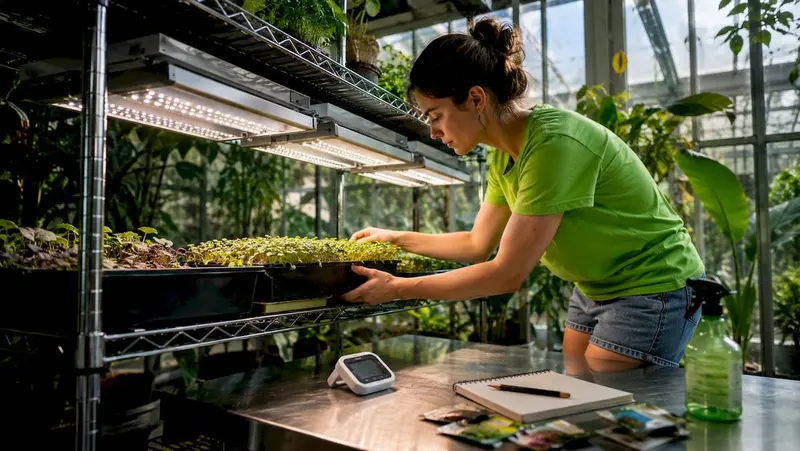
While Elephant Ears thrive in natural filtered sunlight, maintaining that lush, tropical look indoors can be challenging, especially during shorter winter days. If your indoor space lacks the bright, indirect light these giants crave, supplemental lighting is an excellent solution.
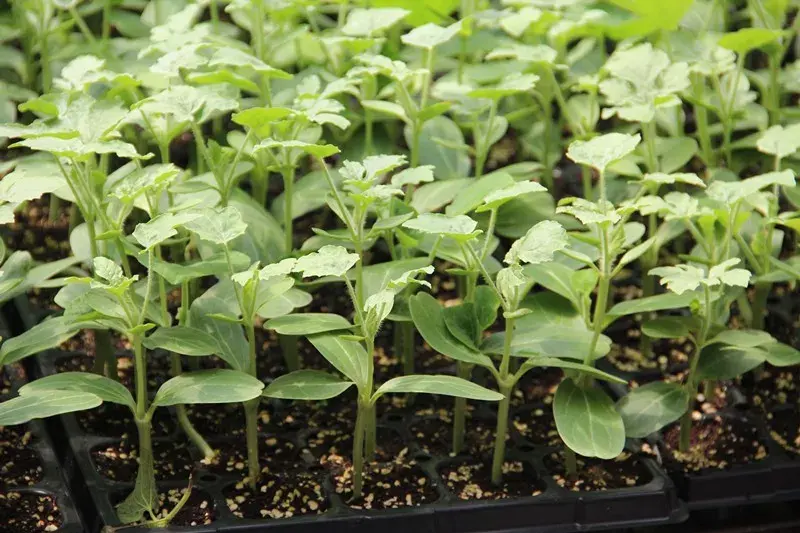
Unlike traditional industrial-style fixtures, these lights are designed to look like high-end home decor while providing the full-spectrum light Elephant Ears need for photosynthesis. Using a dedicated grow light can help prevent "legginess", where the stems become long and weak as the plant stretches toward a distant light source. Grow lights ensure those oversized leaves maintain their deep, vibrant color even in the darkest corners of a room.
Summary Checklist for a Healthy Elephant Ear:
Water: Keep soil moist; do not let it dry out completely.
Food: Regular fertilizer during the growing season.
Cleanliness: Wipe leaves regularly to remove dust.
Can handle more direct sun (with water).
High; can grow in very wet, boggy soil.
Moderate to High; likes moisture but needs drainage.
Often glossy, waxy, or metallic finish.
Dig up tubers if the ground freezes.
Bring indoors; often kept as a year-round houseplant.
Caring for Elephant Ears is a rewarding journey that transforms any space into a lush, vibrant sanctuary. While their size might seem intimidating, their needs are straightforward: plenty of water, rich soil, and the right quality of light. By paying attention to the subtle cues of your plant like drooping leaves or fading color you can adjust your care routine to ensure it thrives for years to come.
Whether you are growing them in a backyard garden or as a statement piece in your living room, these architectural wonders bring an energy to your environment. With a little patience and the right setup, you'll be well on your way to cultivating your own private indoor jungle.


Questions & discussion
Have a question or something useful to share? Start the conversation.