Home gardening has undergone a remarkable transformation in recent years, thanks to advancements in technology and the rise of smart grow boxes. These intelligent gardening systems have revolutionized how people grow plants and vegetables at home.
Traditional home gardening has always required substantial time, effort, and expertise. Factors such as weather, soil quality, and pest control can make gardening a challenging endeavor. However, these challenges are being addressed innovatively with the introduction of smart grow boxes.
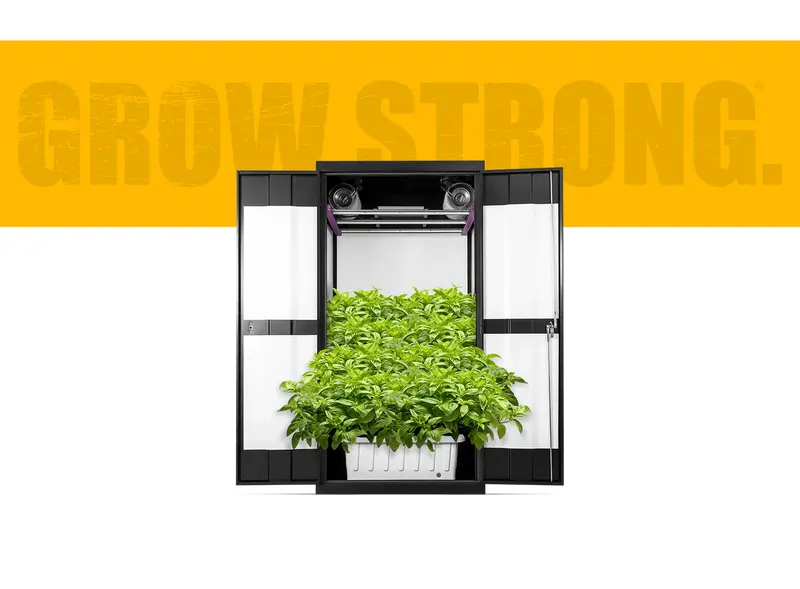
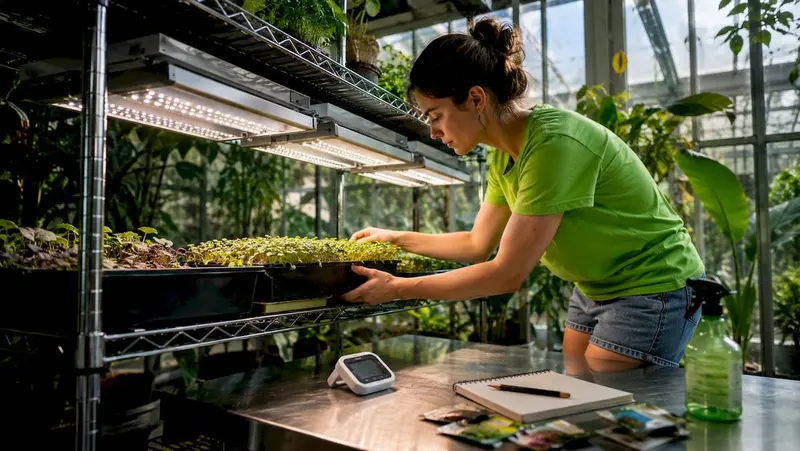
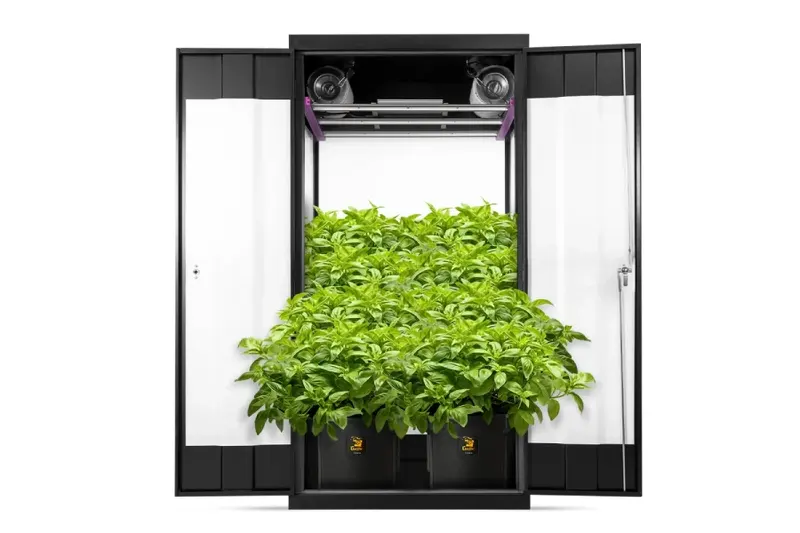
A smart grow box is a self-contained, automated gardening system that provides an ideal environment for plant growth. It utilizes technology, sensors, and data analysis to optimize growing conditions. Here are some key features of smart grow boxes:
Smart grow boxes maintain precise temperature and humidity levels, ensuring plants thrive regardless of external weather conditions.
These boxes use energy-efficient LED grow lights that mimic natural sunlight, allowing plants to photosynthesize effectively.
Smart grow boxes regulate the watering schedule based on the specific needs of each plant, preventing overwatering or underwatering.
They come equipped with automated nutrient dosing systems, ensuring that plants receive the right amount of nutrients at the right time.
Integrated sensors can detect signs of pests or diseases early, enabling quick intervention to protect your plants.
Many smart grow boxes can be controlled via mobile apps, allowing you to monitor and adjust growing conditions remotely.
The adoption of smart grow boxes offers a multitude of advantages to home gardeners:
With controlled indoor environments, you can grow plants year-round, regardless of the season or climate in your area.
Smart grow boxes optimize growing conditions, leading to higher crop yields and healthier plants.
These systems are designed to use water efficiently, reducing water wastage compared to traditional gardening methods.
Smart grow boxes are user-friendly, making them an excellent choice for beginners who may lack gardening experience.
They are compact and can fit in small spaces, making them ideal for urban dwellers with limited gardening space.
When considering a smart grow box, there are several factors to keep in mind:
Determine the size of the grow box you need based on the number and type of plants you want to grow.
Ensure that the grow box supports the types of plants you want to cultivate, as different plants have varying requirements.
Smart grow boxes come at various prices, so consider your budget.
Check if the grow box can be easily integrated with your smartphone or other smart home devices for convenience.
Smart Grow Boxes vs. Traditional Gardening: Pros and Cons
Space-Efficient: Smart grow boxes are compact and designed for indoor use, making them ideal for small spaces, apartments, or urban environments where traditional gardening may not be feasible.
Year-Round Growing: With controlled environments that provide consistent light, temperature, and humidity, smart grow boxes allow you to grow plants year-round, regardless of external weather conditions.
Water Efficiency: Smart grow boxes often use hydroponic or aeroponic systems that use less water than traditional soil-based gardening, making them more environmentally friendly.
Automation: Many smart grow boxes come with automated features for watering, lighting schedules, and nutrient dosing, reducing the time and effort required for maintenance.
Limited Plant Variety: Some smart grow boxes may have space limitations, restricting the types and number of plants you can grow at once.
Maintenance Complexity: While automation can make things easier, it also means there's a learning curve and the potential for technical issues that need troubleshooting.
Dependency on Power: Smart grow boxes rely on electricity to function, so power outages or technical malfunctions can disrupt your plants' growth.
Low Initial Cost: Traditional gardening requires fewer upfront costs, especially if you have access to outdoor space, sunlight, and basic gardening tools.
Variety: In a traditional garden, you can grow various plants, including more extensive crops like fruit trees or bushes.
Connection to Nature: Gardening outdoors allows you to connect with nature, enjoy the therapeutic benefits of being in your garden, and contribute positively to the environment.
Self-Sustaining: Traditional gardens can be self-sustaining with natural processes like rainwater and soil nutrients, reducing ongoing expenses.
Weather Dependency: Traditional gardening is highly dependent on weather conditions, which can be unpredictable and may limit your growing season.
Pest and Disease Risks: In outdoor gardens, plants are more susceptible to pests and diseases, requiring constant vigilance and management.
Space Requirements: Traditional gardening often requires ample outdoor space, which may not be available in urban or crowded environments.
Manual Labor: Traditional gardening can be physically demanding, involving tasks like weeding, tilling, and mulching, which can be time-consuming.

Questions & discussion
Have a question or something useful to share? Start the conversation.