Modern growers demand more than just basic illumination - they need intelligent lighting systems that adapt to plant needs, optimize energy consumption, and deliver consistent results across multiple growing cycles. The latest generation of LED grow lights incorporates features that make indoor gardening more accessible and successful than ever before.
Full-Spectrum Innovation and Targeted Light Control
The LED grow light systems in 2025 feature sophisticated spectrum control that goes far beyond traditional "blurple" lights. Advanced models now provide precise wavelength targeting, including optimized blue spectrums for vegetative growth, enhanced red wavelengths for flowering, and specialized UV/IR channels for trichome production and plant health enhancement.
Modern full-spectrum LEDs utilize Samsung and Osram diodes that maintain consistent output throughout their extended lifespans. These high-quality components ensure that your investment continues delivering optimal results year after year, with minimal degradation in light quality or intensity.
Smart Integration and Wireless Control Systems
Today's top-tier LED grow lights feature sophisticated control systems that transform growing from guesswork into precision agriculture. The Gorilla Xi750 LED Grow Light exemplifies this advancement with its tri-channel spectrum control and wireless GXi technology that connects directly to smartphone apps for complete environmental management.
These intelligent systems offer features like sunrise/sunset simulation, automated light scheduling, and environmental protection protocols that adjust lighting based on temperature conditions. Such automation not only improves plant health but also reduces energy consumption and prevents costly equipment damage from overheating.
Top LED Grow Light Categories for 2025
High-Efficiency Commercial-Grade Options
These systems provide photon output while minimizing heat generation and electrical consumption, making them ideal for intensive growing operations.
The latest commercial-grade LEDs feature passive cooling designs that eliminate fan noise while maintaining optimal operating temperatures. This silent operation makes them for residential applications where discretion matters, while their robust construction ensures reliable performance in demanding environments.
The sweet spot for most home growers lies in the mid-range category, where advanced features meet reasonable pricing. Models like the Gorilla Xi420 LED Grow Light deliver professional-grade performance with intelligent controls, making them accessible to serious hobbyists and small-scale commercial operations.
These systems typically offer excellent coverage areas, with many providing uniform light distribution across 4x4 or larger growing spaces. Their modular designs allow for easy expansion as operations grow, while sophisticated dimming capabilities enable precise light level adjustments throughout different growth phases.
Entry-level growers no longer need to sacrifice quality for affordability. Modern budget-friendly LEDs incorporate many advanced features found in models, including full-spectrum output, basic dimming controls, and reliable construction that ensures years of dependable service.
While these models may lack some advanced automation features, they provide excellent value for growers focused on fundamental lighting needs.
Essential Features in 2025's LED Grow Lights
Spectrum Optimization and Plant-Specific Wavelengths
Advanced models offer separate control channels for blue (400-500nm), red (600-700nm), far-red (700-800nm), and UV wavelengths, allowing growers to fine-tune lighting conditions for specific plant varieties and growth objectives.
This targeted approach results in more efficient energy usage and improved plant responses compared to traditional broad-spectrum lighting solutions.
thermal management distinguishes LED systems from budget alternatives. The grow lights incorporate large aluminum heat sinks, passive cooling designs, and remote driver mounting options that minimize heat generation within growing spaces.
Effective heat dissipation not only protects your plants from excessive temperatures but also extends LED lifespan and maintains consistent light output over time. Remote-mountable drivers allow heat-generating components to be positioned outside the growing area, creating more vertical space while reducing cooling requirements.
Energy Efficiency and Operating Economics
With rising electricity costs, energy efficiency has become a crucial consideration for indoor growers. These high-efficiency systems significantly reduce operating costs while delivering plant growth results.
Advanced power management features include programmable dimming schedules, automated intensity adjustments, and energy monitoring capabilities that help optimize consumption based on plant needs and electricity rates. Such features can reduce energy costs by 30-50% compared to traditional growing methods.
Matching LED Power to Growing Space
Proper sizing ensures optimal light distribution and energy efficiency. For standard growing applications, plan for approximately 30-50 watts of high-quality LED power per square foot of growing space. This guideline provides adequate light intensity for most plant varieties while maintaining reasonable energy consumption.
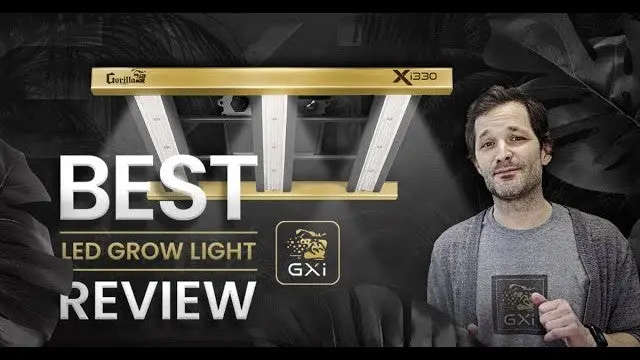
The Gorilla Xi330 LED Grow Light offers excellent coverage for medium-sized operations, while larger spaces benefit from multiple fixtures or higher-wattage systems that provide uniform light distribution across entire growing areas.
Consider ceiling height and mounting options when selecting LED systems. Higher-mounted lights require greater wattage to maintain adequate intensity at plant level, while lower installations may need multiple smaller fixtures for even coverage.
PPFD Requirements and Light Distribution
Photosynthetic Photon Flux Density (PPFD) measurements indicate actual light intensity reaching your plants. Most flowering plants require 600-1000 µmol/m²/s PPFD during bloom periods, while vegetative growth typically needs 400-600 µmol/m²/s for optimal development.
Quality LED systems provide detailed PPFD maps showing light distribution patterns across their coverage areas. These measurements help growers position lights optimally and understand which areas receive adequate intensity for specific plant requirements.
Mounting Systems and Height Adjustments
Proper installation maximizes LED performance while ensuring plant safety. Most LED systems include adjustable hanging hardware that accommodates different ceiling heights and growing configurations. Rope ratchet systems provide easy height adjustments as plants grow, maintaining optimal light distances throughout growing cycles.
Initial installation should position lights 18-24 inches above plant canopies for most LED systems, with adjustments based on plant response and manufacturer recommendations. Monitoring plant behavior helps fine-tune positioning - stretching indicates insufficient light, while bleaching or burning suggests excessive intensity.
Electrical Requirements and Safety Considerations
Modern LED grow lights typically operate on standard household current, making installation straightforward for most applications. However, high-wattage systems may require dedicated circuits to prevent overloading existing electrical infrastructure.
Always use GFCI-protected outlets in growing environments where moisture is present. Quality LED systems include built-in safety features like thermal protection and surge suppression, but proper electrical installation remains essential for safe operation.
Advanced Features and Future Technologies
Smart Automation and Environmental Integration
The latest LED systems integrate with comprehensive environmental control platforms that monitor and adjust multiple growing parameters simultaneously. These systems can automatically modify light intensity based on temperature, humidity, and CO2 levels, creating optimal conditions without constant manual intervention.
Machine learning algorithms in advanced systems analyze growing patterns and automatically optimize lighting schedules for improved yields and energy efficiency. Such features represent the future of indoor growing, where artificial intelligence assists in creating growing conditions.
Spectrum Research and Plant-Specific Programming
Ongoing research continues revealing new applications for specific light wavelengths in plant development. Modern LED systems incorporate findings from this research, offering specialized programs for different plant varieties and growing objectives.
Some advanced models now include UV sterilization capabilities that help control harmful pathogens while stimulating beneficial plant responses. Far-red wavelengths are being utilized to influence plant morphology and flowering responses, allowing growers to shape plant development through precise spectrum control.
Cleaning and Performance Optimization
Regular maintenance ensures sustained LED performance throughout their extended lifespans. Monthly cleaning with soft, dry cloths removes dust accumulation that can reduce light output by 10-15% over time. Avoid using liquids or harsh cleaning agents that might damage LED components or optical lenses.
Monitor light output using PAR meters to detect performance degradation before it affects plant growth. Quality LEDs maintain 90% of their initial output after 50,000+ hours of operation, but regular monitoring helps identify potential issues early.
Component Replacement and Upgradeability
LED systems often feature modular designs that allow component replacement or upgrades without replacing entire fixtures. This approach protects long-term investments while enabling adoption of new technologies as they become available.
Driver units, which control LED operation, typically have shorter lifespans than the LEDs themselves. Systems with replaceable drivers offer better long-term value and easier maintenance compared to integrated designs that require complete fixture replacement when components fail.

Questions & discussion
Have a question or something useful to share? Start the conversation.