Shifting from outdoor to indoor gardening or initiating an indoor garden in the winter season presents unique challenges. Limited natural light, variable temperatures inside the home, and the dryness caused by heating systems are among the factors that could impact your plants' well-being and growth. However, with proper knowledge and tools, these challenges can be transformed into a flourishing indoor garden.
Transitioning to indoor gardening or starting a new indoor garden in winter requires a fundamental understanding of what sets it apart from its outdoor counterpart. Indoor gardening is not just about bringing plants inside; it's about creating a controlled environment that meets the specific needs of your plants.
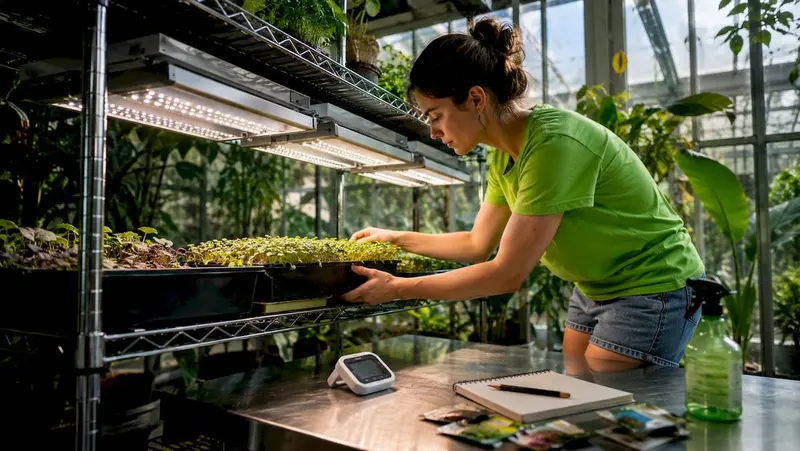
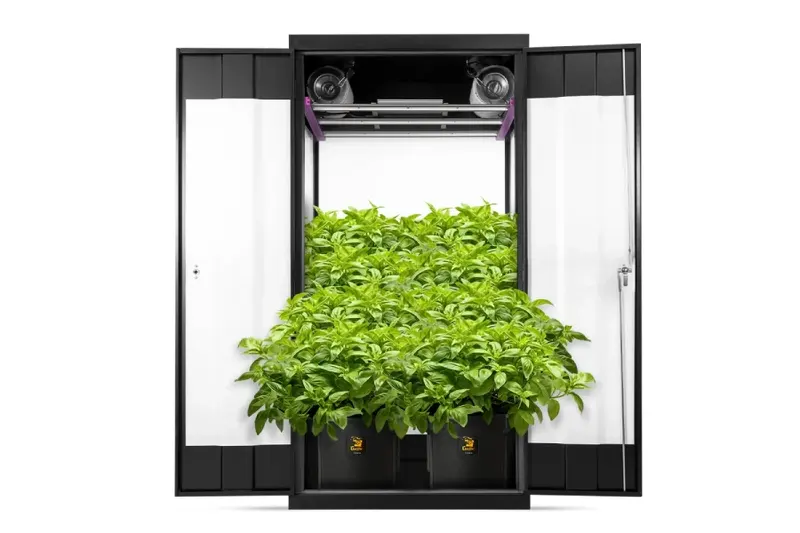
Indoor gardening involves growing plants within an indoor space, whether it's a house, apartment, or even an office. This method of gardening is particularly appealing in winter, as it allows gardeners to maintain a green space regardless of the harsh outdoor weather conditions. Indoor gardens can range from simple potted plants on a windowsill to elaborate setups with grow lights and hydroponic systems.
Differences Between Indoor and Outdoor Gardening
The primary difference between indoor and outdoor gardening lies in the level of control you have over the growing environment. Outdoor gardens are subject to the whims of nature, including temperature fluctuations, unpredictable weather, and varying light conditions. In contrast, indoor gardens offer a stable environment, where factors like light, temperature, and humidity can be controlled to suit the specific needs of your plants.
Light: Natural sunlight is more abundant outdoors. Indoors, you may need to supplement with artificial grow lights to mimic the sun's rays, especially during the shorter days of winter.
Temperature: Outdoor plants are subject to natural temperature variations, which can sometimes be extreme. Indoor plants, however, rely on you to provide a consistent and suitable temperature range.
Humidity: Indoor air, especially in heated homes during winter, tends to be drier than outdoor air. This can impact the moisture needs of your indoor plants.
Soil and Watering: Indoor plants are usually grown in pots or containers, which affects how water and nutrients are retained and how often you need to water and fertilize.
You can better tailor your care and attention to ensure that your indoor garden not only survives but thrives during the winter months.
Choosing the Right Location for Your Indoor Garden
The success of your indoor garden during winter heavily depends on where you place your plants within your home. This decision should be made considering various factors such as light exposure, temperature consistency, humidity levels, and available space. Here are some key points to consider when selecting the spot:
Natural Light: Look for areas in your home that receive ample natural light. South-facing windows are ideal in the Northern Hemisphere as they get the most sunlight during the day. If natural light is limited, especially in winter, you might need to supplement it with artificial grow lights.
Artificial Light: When choosing grow lights, consider the light spectrum they offer and their intensity. LED grow lights are a popular choice due to their energy efficiency and effectiveness.
Avoid placing plants near drafty windows or doors where temperatures fluctuate. Also, keep them away from heating vents, as the dry, hot air can harm some plants.
Most indoor plants prefer temperatures between 65°F and 75°F (18°C to 24°C) during the day, and not below 50°F (10°C) at night.
Many houseplants, especially tropical varieties, thrive in higher humidity. Bathrooms and kitchens often have higher humidity and can be ideal for these plants.
If your home's air is too dry, consider using a humidifier or placing a water tray near your plants to increase humidity.
Ensure you have enough space for your plants to grow without being crowded. Adequate space also allows for proper air circulation, which is vital for plant health.
Choose a location that’s easily accessible for regular maintenance like watering, pruning, and monitoring for pests.
Selecting Suitable Plants for Your Indoor Winter Garden
Choosing the right plants is crucial for a successful indoor garden, especially during the winter months. Some plants thrive indoors in cooler temperatures and with less natural light, making them ideal candidates for your winter garden. Here are tips to help you select plants that will not only survive but flourish inside your home during winter:
Light Requirements: Some plants require bright, direct light, while others do well in low-light conditions. Assess the light availability in your chosen location and select plants accordingly.
Temperature and Humidity Tolerance: Consider plants that can tolerate the indoor winter climate, which is often drier and warmer due to heating systems.
Low Light Tolerant: Snake plants, pothos, and ZZ plants are excellent choices for areas with limited natural light.
Flowering Plants: African violets and orchids can bring a splash of color to your indoor garden, even in the dead of winter.
Herbs: Many herbs, like basil, parsley, and thyme, can be grown indoors on a sunny windowsill, providing fresh flavors for your winter cooking.
Succulents and Cacti: These are great options for bright spots and require minimal watering, making them easy to care for.
Be aware of the growth patterns of your chosen plants. Some might spread out or grow tall, requiring more space or regular pruning.
Vertical gardening or hanging planters can be a space-saving solution for smaller areas.
When purchasing plants, look for signs of good health: vibrant leaves, no visible pests, and strong stems.
Quality soil and proper pots with drainage holes are essential for the health of indoor plants.
Choose plants that appeal to your aesthetic and fit your lifestyle. Some plants require more care and attention than others.
Consider how much time you can realistically dedicate to plant care. Low-maintenance plants can be a better choice for busy individuals.
Lighting Requirements for Your Indoor Winter Garden
Light is a critical component of plant growth and health, especially in the winter when natural sunlight can be scarce. Here's how to ensure your plants get the light they need:
Light Intensity: Different plants require different light intensities. High-light plants need about six hours of direct sunlight per day, while low-light plants can thrive with less intensity or indirect light.
Light Duration: The length of time plants are exposed to light is also important. Most indoor plants require 12 to 16 hours of light per day.
Position plants near windows that receive the most daylight. South-facing windows are usually the in the Northern Hemisphere.
Clean windows regularly to allow maximum light penetration.
In winter, natural light might not be sufficient. Supplementing with grow lights can provide the necessary spectrum and intensity of light.
LED grow lights are popular for their energy efficiency and effectiveness. They come in various spectrums suitable for different stages of plant growth.
Fluorescent bulbs are another option, especially for plants that don’t require high light intensity.
Position grow lights close enough to your plants to be effective but far enough away to prevent leaf burn. Generally, 6 to 12 inches above the plant is ideal, but this can vary based on the light's intensity.
Use timers to regulate light exposure, ensuring plants get a consistent amount of light each day.
Monitor your plants for signs that they are getting too much or too little light. Leggy growth, weak stems, or pale leaves often indicate insufficient light, while scorched or brown spots suggest too much direct light.
Adjust the placement and duration of lighting based on your observations to find the optimal balance for your garden.
Temperature and Humidity Control in Your Indoor Winter Garden
Controlling the temperature and humidity in your indoor garden is a delicate balance, but it's crucial for the well-being of your plants; especially during winter when indoor heating systems can create a dry and warm environment. Here's how you can manage these critical factors:
Most indoor plants thrive in daytime temperatures between 65°F and 75°F (18°C to 24°C) and nighttime temperatures not dropping below 50°F (10°C).
Sudden temperature changes or drafts can stress plants. Keep them away from cold drafts, heating vents, and appliances that can cause temperature fluctuations.
Use a thermometer to keep track of the room temperature where your plants are located.
If the room is too cold, consider using a space heater, but ensure it's not too close to your plants.
On the other hand, if the room is too warm, you may need to adjust your home heating or use a fan for air circulation.
Indoor air, particularly in heated homes, can be very dry in winter. Most houseplants prefer a humidity level between 40% to 60%.
Use a hygrometer to measure humidity levels in your plant area.
Grouping plants together can create a microenvironment with higher humidity.
Place water trays or humidifiers near your plants to increase the moisture in the air.
Regular misting can also help, but be cautious with plants that are susceptible to leaf diseases.
Tropical plants often require higher humidity and may benefit from being placed in a kitchen or bathroom where humidity tends to be higher.
Cacti and succulents prefer a drier environment, making them suitable for areas with lower humidity.
Keep an eye on your plants for signs of stress due to temperature or humidity issues. Dry leaf tips, wilting, or yellowing can indicate low humidity, while mold or rot can suggest too much humidity.
Adjust your strategies based on the specific needs of your plants and the conditions of your indoor environment.
Soil and Fertilization for Your Indoor Winter Garden
The health and growth of your indoor garden largely depend on the quality of the soil and the right fertilization practices. Indoor plants have different soil and nutrient requirements compared to outdoor plants, particularly during the winter months.


Questions & discussion
Have a question or something useful to share? Start the conversation.