The Optimal Distance Between LED Grow Lights and Your Plants
When it comes to nurturing thriving indoor plants, proper lighting is paramount. LED grow lights offer a fantastic solution, mimicking the sun's natural spectrum to fuel your plants' growth. However, one crucial element often overlooked is the distance between the light and your leafy friends. Placing your LED grow light too close or too far can have detrimental effects, impacting growth, development, and even health.
Finding the Sweet Spot: Distance Guidelines
The ideal distance between your LED grow light and your plants depends on several factors, including:
Light wattage: Higher wattage lights generally require greater distance to avoid light burn.
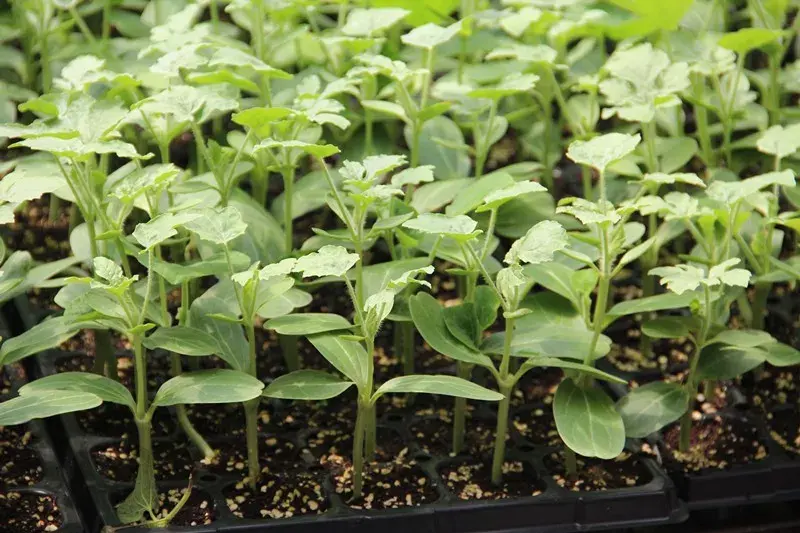
Plant type: Different plants have varying light requirements. Seedlings, for example, need closer proximity than mature plants.
Growth stage: Seedlings require closer lighting than plants in the vegetative and flowering stages.
Here's a general guideline for distance based on light wattage and plant stage:
Wattage Seedling Stage Vegetative Stage Flowering Stage
30-50W 12-18 inches 18-24 inches 15-20 inches
100W 18-24 inches 24-30 inches 18-24 inches
200W 24-30 inches 30-36 inches 24-30 inches
300W+ 30-36 inches 36-42 inches 30-36 inches
Remember, these are just general guidelines. The optimal distance can vary depending on your specific setup. The approach is to monitor your plants closely and adjust the light height as needed.
Tips for Optimal Light Distribution for LED Grow Lights
Positioning your grow lights correctly is crucial for ensuring optimal plant growth.
Here are some tips on how to position your grow lights effectively:
Understanding Light Intensity and Coverage:
Different plants require varying levels of light intensity. Some need direct exposure to intense light, while others thrive in lower light conditions.
Determine the recommended light intensity for your specific plants during different growth stages. This information is often available from seed packets or plant care guides.
LED strips offer a flexible solution for supplementing light in specific areas or under shelves. They are ideal for reaching shadowed areas and providing targeted light for individual plants.
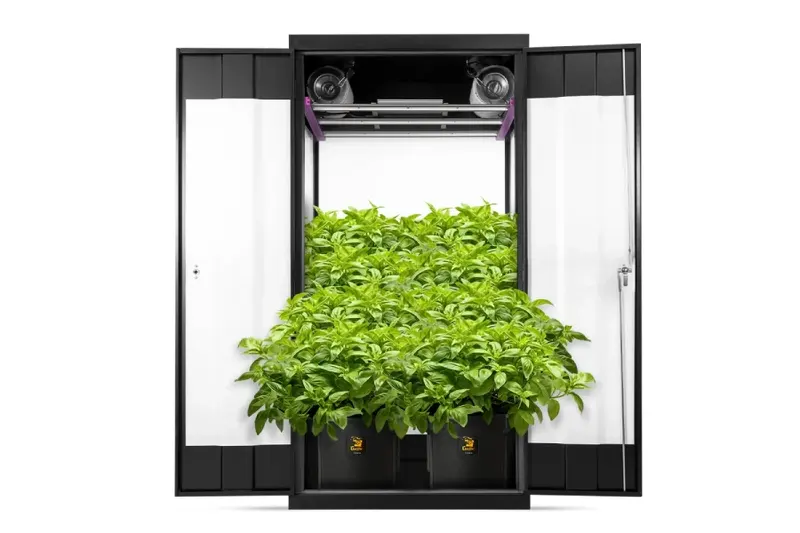
Slightly stagger your lights or use a triangular hanging pattern to create a more even light distribution across your grow space. This can be particularly helpful for larger areas or when using multiple lights.
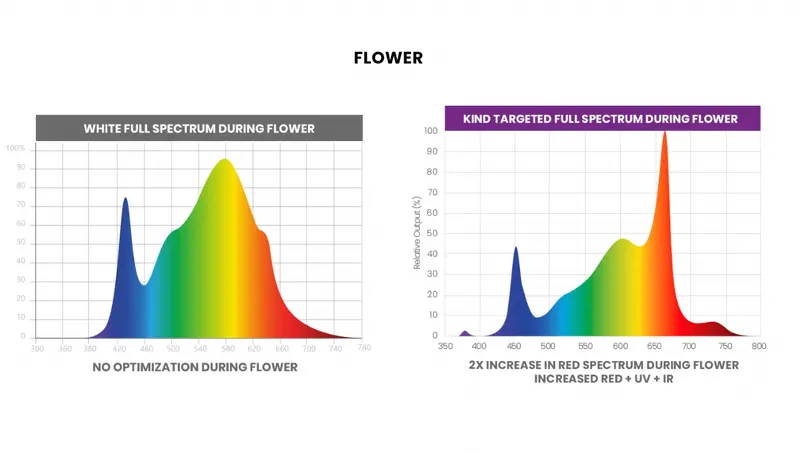
Consider using different types of LED lights with varying spectrums to mimic natural sunlight more closely. This can be achieved by combining blue and red LEDs for optimal growth during the vegetative stage and adding more red LEDs during the flowering stage.
Invest in a timer or smart controller to automate your LED grow lights. This ensures your plants receive the correct amount of light throughout the day, even when you're not around.
Dust and dirt buildup on your LED grow lights can significantly reduce light output. Regularly clean your lights with a soft, dry cloth to maintain optimal performance and light distribution.
When positioning your lights, take into account the size and shape of your plants. Taller plants may require additional lights or higher hanging positions to ensure sufficient light reaches the lower leaves.
Light diffusers can help disperse the light more evenly, minimizing harsh shadows and hotspots. This can be beneficial for sensitive plants or when using high-wattage LED grow lights.
LED grow lights generate heat, which can affect your plants' growth. Monitor the temperature in your grow space and adjust your lights' height or ventilation as needed to maintain optimal temperatures.
LST: Training for Better Light Penetration
Implement Low-Stress Training (LST). This involves gently bending stems to manipulate growth direction, helping expose lower leaves to more light.
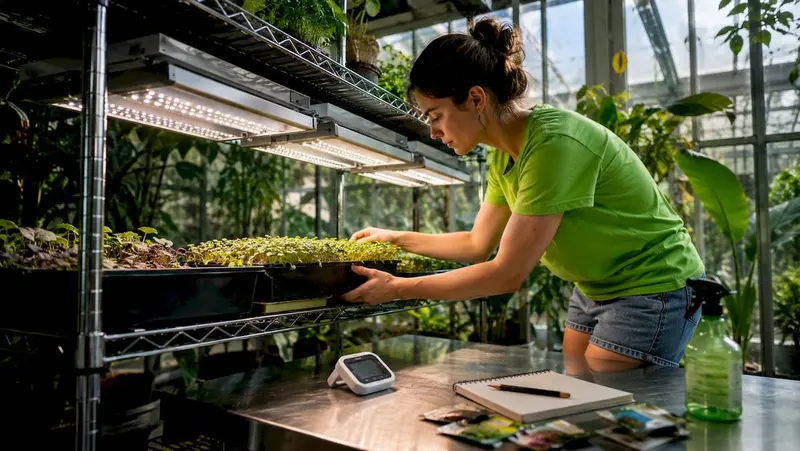
Invest in a light meter to measure light intensity across your grow area. This helps identify areas with inadequate or excessive light, allowing you to adjust your setup accordingly.
Rotate your plants regularly to ensure all sides receive sufficient light. This encourages even growth and prevents them from leaning towards the light source.
Most grow lights come with adjustable hanging heights. Maintain an optimal distance between the light and the plants to avoid burning or stretching.
Generally, LED lights can be placed closer to plants due to their lower heat output compared to HID lights.
Supplemental Lighting: Reaching the Hidden Corners
For taller plants or larger grow spaces, consider supplemental lighting to reach areas not covered by your primary lights.
Pruning for Optimal Light Distribution
Regular pruning removes dead or dying leaves and encourages new growth. This allows more light to penetrate the canopy and reach lower leaves.
Monitor and Adapt: Continuous Improvement
Regularly monitor your plants for signs of uneven growth, light burn, or leggy growth. Don't be afraid to experiment and adjust your lighting setup as needed to ensure optimal light distribution and promote healthy plant development.
LED grow light technology is constantly evolving. Research new products and technologies to ensure you're utilizing the most efficient and effective lights for your specific needs.
Troubleshooting LED Grow Light Distance: Common Problems and Solutions
Achieving optimal plant growth with LED grow lights requires finding the balance between light intensity and distance. Unfortunately, incorrect positioning can lead to a range of problems, affecting your plants' health and productivity.
Bleached or yellowing leaves, often starting at the edges.
LED grow light placed too close to the plants.
Plants exposed to light for extended periods without sufficient rest.
Raise the LED grow light: Gradually increase the distance between the light and your plants until the symptoms subside.
Reduce the lighting duration: Consider implementing a timer to control the light exposure and give your plants a nightly rest.
Monitor light intensity: Invest in a PPFD meter to measure the light intensity at plant level and ensure it falls within the recommended range for your specific species.
Tall, spindly stems with weak growth.
LED grow light placed too far away from the plants.
Lower the LED grow light: Gradually decrease the distance between the light and your plants until the stem growth becomes compact and robust.
Increase light intensity: Check the recommended PPFD range for your plants and adjust the light intensity accordingly.
Consider supplementing with additional LED grow lights: If your current setup lacks sufficient coverage or intensity, adding more lights can provide the necessary boost.
Plants are noticeably taller or bushier on one side compared to the other.
Leaves may be smaller or less developed on the side receiving less light.
LED grow light not positioned properly, leading to uneven light distribution.
Plants being too close or too far from the light source on different sides.
Adjust the LED grow light position: Ensure the light is centered over the plants and angled appropriately to provide even coverage.
Rotate your plants regularly: This will ensure all sides receive equal amounts of light and promote balanced growth.
Utilize reflective materials: Lining your grow space with reflective material can help bounce light back towards the plants, minimizing shadows and promoting even growth.
Plants are significantly smaller than they should be at their stage of growth.
Leaves may be small, underdeveloped, or yellowing.
Flowering and fruiting may be delayed or absent.
Lack of essential nutrients or other environmental factors.
Follow the recommended LED grow light distance: Consult the manufacturer's instructions or research the specific needs of your plants.
Measure the light intensity: Ensure the PPFD at plant level falls within the recommended range.
Address other potential issues: Evaluate your watering schedule, nutrient levels, temperature, and humidity to rule out other contributing factors.
Visible pests like spider mites, aphids, or whiteflies.
Signs of disease such as powdery mildew, fungal infections, or bacterial spots.
Weak or stressed plants due to inadequate light are more susceptible to pests and diseases.
Poor sanitation or ventilation in the grow space can contribute to the spread of pests and diseases.
Maintain the recommended LED grow light distance: Healthy plants are better equipped to resist pests and diseases.
Practice good hygiene: Regularly clean your grow space and equipment to prevent the spread of pathogens.
Monitor your plants closely: Early detection and intervention can help control pest and disease outbreaks.
By understanding the ideal distance between your LED grow light and your plants, you can foster a flourishing indoor garden. Remember, close observation and adjustments are key to creating the environment for your leafy companions. So don't be afraid to experiment and find the sweet spot that makes your plants thrive!

Questions & discussion
Have a question or something useful to share? Start the conversation.