Unlocking the Potential of Hydroponic Grow Boxes
In the world of indoor gardening, hydroponic grow boxes have emerged as game-changers, providing a approach to cultivating plants without soil. These self-contained systems utilize nutrient-rich water solutions to nourish plants directly at their roots, eliminating the need for traditional soil-based setups.
Understanding Hydroponic Grow Boxes
The concept of hydroponics involves growing plants without soil and instead utilizing a nutrient-rich water solution as the growing medium. This method allows plants to directly access the essential nutrients they need for growth and development. By providing water, nutrients, and oxygen directly to the plant roots, hydroponics offers a controlled and efficient system for indoor gardening.
Discover the Convenience and Success of Grow Box Kits: Your Path to Indoor Gardening Bliss
Indoor gardening has become increasingly popular, allowing plant enthusiasts to cultivate greenery and enjoy the benefits of gardening even in limited spaces. A in the world of indoor gardening is the grow box kit. These all-in-one packages provide a convenient and hassle-free solution for beginners and experienced gardeners alike.
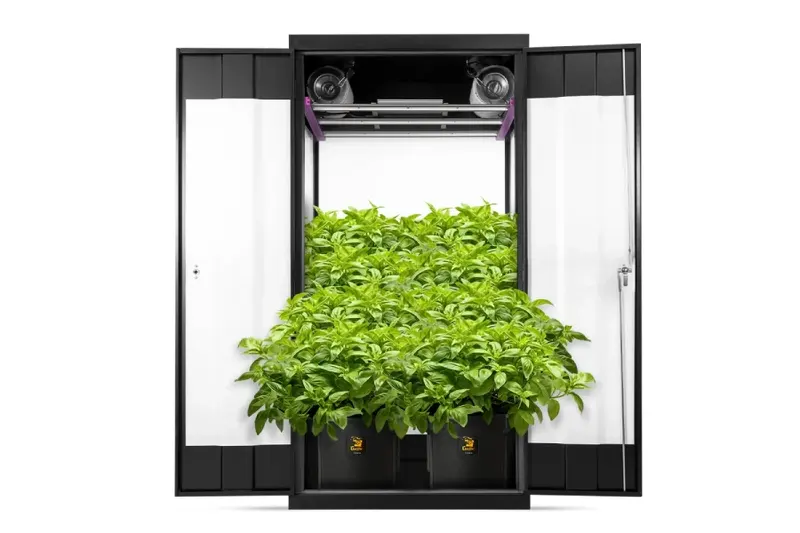
Grow box kits are comprehensive packages that contain all the essential components needed to create a self-contained indoor gardening system. These kits are specifically designed to simplify the process of indoor gardening for both beginners and experienced gardeners. They aim to provide convenience, ease of setup, and a streamlined approach to cultivating plants indoors.
The purpose of grow box kits is to eliminate the guesswork and time-consuming research involved in setting up an indoor garden. They offer a convenient solution by bundling together all the necessary components into a single package, ensuring compatibility and a hassle-free experience.
Simplified Indoor Gardening: What's Inside Grow Box Kits?
Some common components found in grow box kits include:
This is the core element of the kit, typically a compact and enclosed structure that creates a controlled environment for plants.
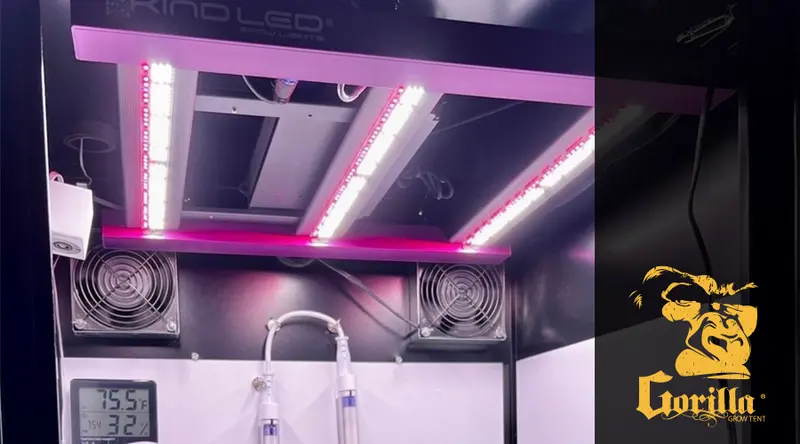
Grow box kits often include specialized lighting systems such as LED lights or full-spectrum bulbs. These provide the necessary light spectrum for optimal plant growth, mimicking natural sunlight.
Grow box kits may incorporate ventilation systems, such as fans or air vents, to regulate airflow and prevent stagnant air within the grow box.
Kits usually include a suitable growing medium, such as soil or a hydroponic substrate, which provides necessary support and nutrient availability for the plants.
Some grow box kits come with seeds or starter plants, allowing users to begin their gardening journey immediately.
Celebrating Success with Grow Box Kits
The purpose of these kits is to simplify the process of indoor gardening by providing everything needed in one package. By eliminating the need to source individual components and ensuring compatibility, grow box kits save time, effort, and potential frustration. They offer a user-friendly approach that allows individuals, even those with minimal gardening experience or limited space, to set up and maintain a successful indoor garden.
Grow box kits also provide a controlled environment for plants, enabling growers to create optimal conditions for growth. This includes controlling lighting cycles, temperature, humidity, and airflow. By having these factors easily adjustable and manageable within the grow box, users can ensure their plants receive the ideal conditions for healthy growth and development.
Grow box kits provide a gateway to the world of indoor gardening, offering convenience, success, and the opportunity to cultivate a thriving garden right in your own home. Whether you're a beginner looking to embark on an exciting gardening journey or an experienced gardener seeking a streamlined and organized approach, grow box kits have you covered. So, grab a grow box kit, unleash your green thumb, and witness the wonders of indoor gardening unfold before your eyes. Happy growing!
In indoor gardening, hydroponics has found significant application due to its various advantages. Here are some key aspects of hydroponics and its application in indoor gardening:
Hydroponics eliminates the need for traditional soil-based gardening. Instead, plants are grown in an inert growing medium or directly in water, enabling gardeners to cultivate plants in environments where soil quality may be poor or unavailable.
Hydroponics is known for its water efficiency. Since the water is recirculated within the system, it reduces water usage compared to conventional gardening methods. This makes it an appealing choice for indoor gardeners who want to conserve water or have limited access to it.
By monitoring and adjusting nutrient solutions, growers can ensure plants receive the optimal balance of macronutrients, micronutrients, and trace elements necessary for healthy growth.
Hydroponic systems provide plants with readily available nutrients, leading to faster growth rates and potentially higher yields compared to soil-based gardening. The controlled environment of indoor gardening further enhances these benefits, as factors like temperature, humidity, and lighting can be tailored to suit specific plant requirements.
Hydroponic systems are flexible and adaptable to different indoor spaces. They can be designed as vertical gardens or compact setups, allowing growers to make the most of limited space. This makes hydroponics particularly suitable for urban environments or indoor gardening in small apartments.
Indoor hydroponic systems offer the advantage of year-round cultivation, independent of external weather conditions. This allows gardeners to enjoy fresh produce throughout the year, regardless of the season. With the ability to control lighting and environmental factors, growers can create an optimal growing environment at any time.
By removing soil from the equation, hydroponic systems reduce the risk of soil-borne diseases and pests. This leads to healthier plants and less reliance on chemical pesticides, making it an appealing choice for those seeking environmentally friendly gardening practices.
The Components of Hydroponic Grow Boxes
The grow box or tent is the enclosure that houses the plants and hydroponic system. It provides a controlled environment, shielding the plants from external light and creating an optimized growing space. The grow box or tent is typically made of durable materials such as metal or fabric that are reflective on the inside to maximize light distribution.
Lighting is a crucial component of hydroponic grow boxes as it serves as a substitute for natural sunlight. High-quality lighting systems, such as LED (Light Emitting Diode) or HID (High-Intensity Discharge) lights, are used to provide the necessary light spectrum for photosynthesis and plant growth. These systems are often adjustable to accommodate different growth stages and can be programmed for specific light cycles.
The water reservoir holds the nutrient-rich water solution that supplies the plants with essential nutrients. It can be a separate container or integrated within the grow box itself. The water reservoir should be opaque to prevent the growth of algae and may include features like water level indicators or drain valves for easy maintenance.
These systems consist of pumps, tubing, and irrigation mechanisms that deliver the nutrient solution directly to the plant roots.
The growing medium in hydroponic grow boxes serves as a support structure for the plant roots. Unlike traditional soil-based gardening, hydroponics typically uses inert growing mediums. Common options include rockwool, perlite, clay pellets, coco coir, or vermiculite. The growing medium aids in retaining moisture, providing oxygen to the roots, and stabilizing the plants.
pH and EC (Electrical Conductivity) Monitoring:
These components help monitor and adjust the pH level and nutrient concentration of the water solution to maintain optimal conditions for plant growth.
Proper airflow and ventilation are essential for preventing the buildup of excess humidity and ensuring the plants have a constant supply of fresh air. Fans, vents, and air circulation systems help maintain a suitable environment within the grow box.
These key components work together to create an efficient and controlled hydroponic system within the grow box.
Basic Elements of Plant Nutrition in Hydroponic Grow Boxes
Monitoring and maintaining the nutrient solution in hydroponic grow boxes is crucial for the overall health and success of the plants. Here are the key reasons why monitoring and maintaining the nutrient solution, including pH balance and nutrient levels, is important:
Proper nutrient balance is essential for plants to thrive. Monitoring and maintaining nutrient levels ensure that plants receive the appropriate amount of essential elements such as nitrogen, phosphorus, potassium, calcium, and magnesium. This promotes healthy growth, robust root development, and optimal fruiting or flowering.
pH levels directly influence nutrient availability to plants. Monitoring the pH of the nutrient solution helps maintain the desired range (typically between 5.5 and 6.5 for most plants) that allows for optimal nutrient uptake. pH that is too high or too low can lead to nutrient deficiencies or toxicities, hindering plant growth and causing nutrient lockouts.
The pH balance of the nutrient solution affects the solubility and availability of different nutrients. When the pH is outside the optimal range, certain essential nutrients may become less available to the plants, even if they are present in the solution. Monitoring and adjusting pH levels help ensure that nutrients are in the appropriate form for uptake and absorption by the roots.
Monitoring nutrient levels in the solution allows growers to detect and correct nutrient imbalances. Imbalances can occur when certain nutrients are over-supplied or deficient. By maintaining appropriate nutrient levels, growers can prevent nutrient deficiencies or toxicities, which can negatively impact plant health, growth, and overall productivity.

Questions & discussion
Have a question or something useful to share? Start the conversation.