Have you ever seen a space so full of green, with trailing ivy and vibrant leaves, and just felt… content? Houseplants not only beautify indoor spaces, but also have health benefits like boosting mood, increasing productivity, and even purifying the air. Plants, like people, are all unique and are suited to different settings and styles. This article will help you determine your options and the choices for yourself, schedule, and space to create the setup, one which appeals to the eye as well as every other aspect of your life!
Overwhelmed by choice in your local gardening center? Well, while you must consider aesthetics for a design based setup, you may also want to make sure the plants are within your ability to care for and fit the requirements of the space you are beautifying with their presence.
Here's a list of ten of the most beautiful houseplants, known for their aesthetic appeal and relatively easy maintenance:
Fiddle Leaf Fig (Ficus lyrata): Known for its large, glossy, violin-shaped leaves, the Fiddle Leaf Fig is a stylish addition to any room. It thrives in bright, indirect light.
Monstera Deliciosa: Often referred to as the Swiss Cheese Plant, Monstera is popular for its unique, split leaves. It's a great statement plant that prefers medium to bright indirect light.
Snake Plant (Sansevieria): With its upright, sword-like leaves, the Snake Plant is not only striking but also highly adaptable and low-maintenance. It's also excellent for air purification and can tolerate low light.
Peace Lily (Spathiphyllum): This plant is admired for its white, hood-like flower spathes and glossy green leaves. Peace Lilies are known for their ability to filter indoor air and thrive in low to medium light.
Orchids (Orchidaceae): Orchids are exquisite and diverse, with blooms that can last for weeks. They require some special care, thriving in well-draining soil and bright, indirect light.
Bird of Paradise (Strelitzia reginae): Named for its bird-like flowers, this plant has large, broad leaves and can bring a tropical feel to any space. It loves bright light and some direct sun.
Pothos (Epipremnum aureum): Pothos is a versatile and easy-care vine with heart-shaped leaves. It's great for beginners and can thrive in a variety of lighting conditions.
Rubber Plant (Ficus elastica): The Rubber Plant has large, dark green, shiny leaves. It's a robust plant that can grow quite large, making a bold statement. It prefers bright, indirect light but can tolerate lower light levels.
ZZ Plant (Zamioculcas zamiifolia): With its glossy, dark green leaves, the ZZ Plant is not only beautiful but also extremely drought-tolerant and low-maintenance, thriving in low light conditions.
Anthurium: Known for its brightly colored flower spathes and ornamental leaves, Anthuriums add a splash of color. They prefer bright, indirect light and moderately moist soil.
Each of these plants has its own unique requirements, but generally, they are known for being adaptable and able to thrive in indoor environments. Remember to consider the specific light and water needs for each plant to keep them healthy and beautiful.
Incorporating plants into interior design has become increasingly popular, as they add a natural element and can enhance the aesthetic of a space. Here are the top five interior design styles that seamlessly integrate plants:
Bohemian (Boho): Bohemian style is known for its carefree, eclectic, and colorful approach. Plants are a key element in Boho interiors, adding a sense of life and organic texture. Hanging plants, potted ferns, and large leafy greens like Monstera or Fiddle Leaf Figs are commonly used to create a relaxed, earthy vibe.
Scandinavian: While Scandinavian design is typically associated with minimalism and a monochromatic color palette, plants are used to add a touch of warmth and liveliness. Simple, clean-lined planters with green plants like Snake Plants, Pothos, or Peace Lilies complement the understated elegance of Scandinavian interiors.
Mid-Century Modern: This style, known for its retro yet timeless appeal, often features indoor plants as a way to bridge the gap between indoors and outdoors. Large, sculptural plants like Rubber Trees, Bird of Paradise, or Palm varieties fit well with the bold yet sleek furniture typical of this design.
Rustic or Farmhouse: Rustic or farmhouse styles emphasize natural, earthy elements. Plants play a significant role in adding a sense of freshness and outdoor charm. Herbs in the kitchen, succulents in wooden or terracotta pots, and leafy greens in wicker baskets are common in these settings.
Tropical or Coastal: These styles are all about creating a light, breezy, and relaxed atmosphere. Large leafy plants like Palms, Philodendrons, and Banana Plants are often used to emulate a tropical feel. Bright, airy spaces with lots of natural light are ideal for this style.
In each of these styles, plants not only enhance the aesthetic appeal but also contribute to a healthier and more inviting living space. The choice of plants and their containers should complement the overall design theme to create a cohesive look.
Selecting the right container type is crucial for the health and aesthetics of houseplants. To accommodate the widest range of houseplants, it's important to consider factors like material, drainage, and size. Here are the three container types that can cater to a wide variety of houseplants:
Terracotta Pots: Terracotta is a porous clay material that allows air and water to move through the walls of the pot. This feature helps prevent soil disease and root rot, making it an excellent choice for most houseplants, especially those that prefer drier soil, like succulents and cacti. The natural, earthy look of terracotta pots complements a wide range of interior styles. However, they can dry out more quickly than other types, so more frequent watering may be necessary for some plants.
Ceramic Pots: Glazed ceramic pots come in a vast array of colors and styles, offering both aesthetic appeal and functional benefits. They typically have a non-porous surface, which means they retain moisture longer than terracotta pots. This makes them suitable for plants that prefer consistently moist soil, like Ferns and African Violets. Many ceramic pots come with drainage holes, but it's essential to check this feature to ensure proper water management.
Plastic Pots: Lightweight, versatile, and often more affordable, plastic pots are another great option for a variety of houseplants. They retain moisture well, which can be advantageous for plants that need consistent watering. Plastic pots also come in numerous designs, allowing them to fit into different décor styles. However, they don't offer the same breathability as terracotta, so it's important to be cautious not to overwater plants in plastic containers.
Each of these container types has its own set of advantages and considerations. When choosing a pot, always consider the specific needs of the plant, including water, drainage, and room for growth. Additionally, ensure that the pot has adequate drainage holes to prevent waterlogging, which can be detrimental to most houseplants.
Climbers and Vines (e.g., Pothos, Ivy): These are ideal for hanging planters or high shelves where they can cascade down gracefully.
Upright and Large Leafy Plants (e.g., Fiddle Leaf Fig, Monstera): These are better suited for floor pots or large containers that provide stability and space for growth.
Small and Compact Plants (e.g., Succulents, Cacti): These can be placed in smaller pots on tables, desks, or window sills.
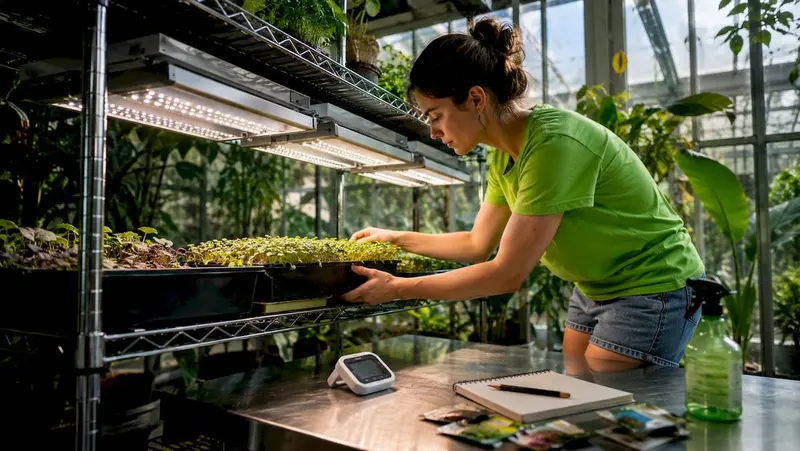
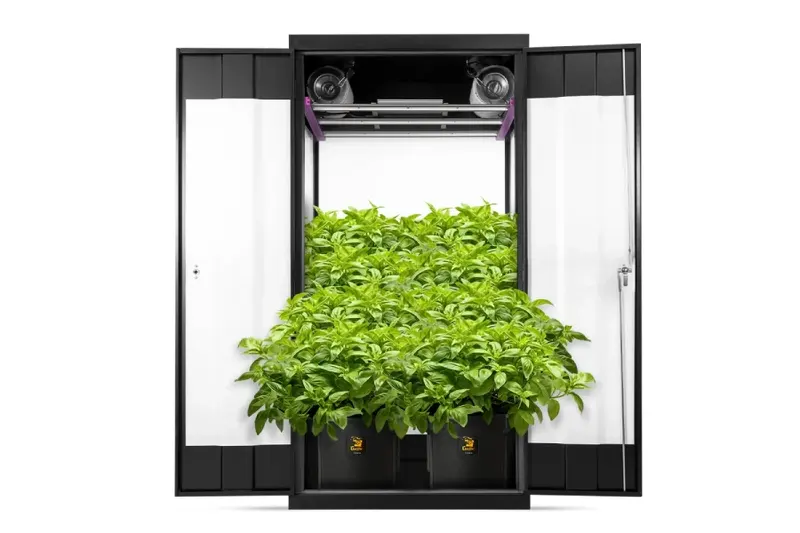
Assess the light conditions in your space. Hanging planters near a window are great for plants that need more light, while plants that thrive in low light can be placed in shadier spots on shelves or stands. Of course, introducing a grow light to your setup can also be an incredibly beneficial addition, one which provides you more freedom to style your plants where you want.
Ensure the setup allows for easy watering and proper drainage. Hanging planters should have catch trays or be placed where water can drain without causing damage. Potted plants should have saucers to catch excess water.
Consider the available space and the overall aesthetic you want to achieve. Hanging planters are great for saving floor space and adding vertical interest. Floor pots are ideal for larger plants that can serve as focal points.
Think about safety, especially if you have pets or children. Toxic plants should be placed out of reach. Also, consider how easily you can access the plant for maintenance like watering, pruning, and repotting.
Some plants, like tropical varieties, thrive in humid environments and might benefit from being grouped together or placed in a kitchen or bathroom where humidity is higher.
Consider the growth habit of the plant. Some plants might start in a small tabletop pot but eventually need to be transferred to a larger floor pot as they grow.
Regular maintenance such as pruning, rotating for even light exposure, and checking for pests is easier if the plant is accessible and in a suitable setup.
By considering these factors, you can choose a plant setup that not only complements your interior design but also ensures the health and growth of your plants. Remember, the right setup can vary greatly depending on the specific needs and characteristics of each plant.
Finally, it’s time to decide exactly where to place your new plant collection. Here is a list of common rooms for displaying greenery, and the benefits foliage offers to each space!
Living Room: This is often the most common room for houseplants due to its visibility and frequent use. Plants can add color, texture, and a relaxing ambiance. Large floor plants, decorative tabletop plants, or hanging plants can all be used to complement the decor.
Kitchen: Kitchens can be an excellent place for houseplants, especially those that thrive in humid conditions or those that are useful, like herbs. Small potted herbs on a windowsill or hanging plants can add freshness to the kitchen environment.


Questions & discussion
Have a question or something useful to share? Start the conversation.