Lucky bamboo (Dracaena sanderiana) is not true bamboo, it's a Dracaena species native to West Africa
It thrives in indirect light, 70–90°F temperatures, and average household humidity
Always use distilled or filtered water, tap water fluoride causes yellowing
Grows well in both soil and hydroponic setups
Prune when top growth gets heavy; braid young stalks for decorative arrangements
Stalk count carries cultural symbolism in feng shui traditions
Research shows that Dracaena sanderiana, commonly called Lucky bamboo is not actually bamboo at all, but a member of the Dracaena genus native to the tropical rainforests of Central and West Africa. Despite the name, it shares only a visual resemblance to true bamboo and belongs to an entirely different plant family. The "bamboo" label stuck thanks to its distinctive segmented stalks, which made it a natural stand-in for bamboo in feng shui.
Today it's one of the most popular indoor plants worldwide. It is appreciated for its adaptability, low maintenance needs, and cultural symbolism. This guide covers light, water, soil, environment, pruning, and setup so your Lucky bamboo can thrive long-term.
How Much Light Does Lucky Bamboo Actually Need?
Lucky bamboo grows in moderate to indirect light. It's a natural understory plant, meaning in the wild it grows beneath the canopy of larger trees. Direct sunlight will scorch the leaves, causing brown tips and irreversible leaf burn. Plant experts recommend placing your Lucky bamboo 3–6 feet from a north- or east-facing window, or using a sheer curtain to diffuse stronger light.
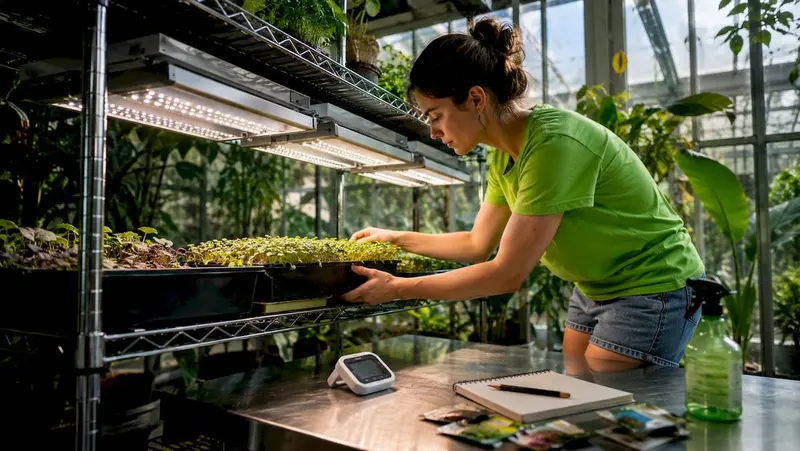
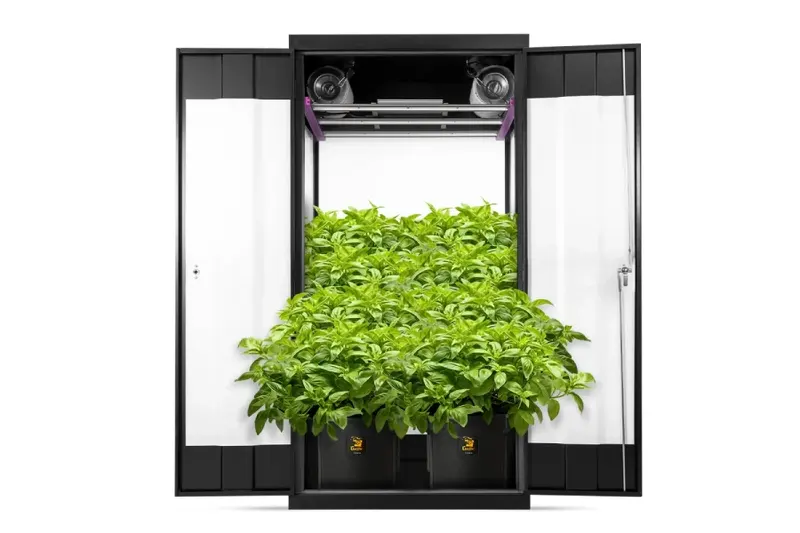
If your space doesn't get reliable natural light, a grow light is a practical solution. These grow lights are compact enough for a desktop, windowsill or hanging above the plant, which is exactly where most people keep decorative plants like Lucky bamboo. Full-spectrum lighting ensures the plant receives the wavelengths it needs without the risk of sun scorch.
How Often Should You Water a Lucky Bamboo Plant?
According to horticultural guidance from the University of Florida's IFAS Extension, overwatering is the leading cause of houseplant root rot and Lucky bamboo is no exception. If grown in soil, keep it consistently moist but never waterlogged. If grown hydroponically (in water or pebbles), make sure the roots stay submerged and change the water every 7–10 days to prevent stagnation and bacterial buildup.
One critical detail: Lucky bamboo is highly sensitive to chlorine and fluoride found in tap water. Studies on Dracaena species indicate that fluoride toxicity is a primary cause of leaf tip burn and yellowing in these plants. Always use distilled water, filtered water, or rainwater. This single change resolves yellowing in many cases where nothing else seems wrong.
❌ Softened water (high sodium content)
Soil vs. Hydroponics: Which Is Better for Lucky Bamboo?
Lucky bamboo is one of the few houseplants that grows equally well in soil or water, both methods work, and the right choice depends on your preference for maintenance. Hydroponics (growing in water supported by pebbles or gravel) requires no soil changes, uses less water overall, and lets you see the root system clearly through a glass vessel. Soil growing gives the plant more structural stability and a broader nutrient base, but requires more attentive watering habits.
If you go the soil route, choose a well-draining, rich potting mix, dense or compacted soil holds too much moisture and increases the risk of root rot. For hydroponic setups, decorative glass pebbles or smooth river stones work well and add to the aesthetic appeal of the arrangement. Either way, the container matters: make sure it has adequate depth for the root system, especially if you're growing multiple stalks together.
What Temperature and Humidity Does Lucky Bamboo Prefer?
Lucky bamboo prefers temperatures between 65–95°F (18–35°C), with an ideal range of 70–90°F for indoor environments. It doesn't need high humidity, average household humidity (40–60%) is perfectly sufficient. What it does dislike is cold drafts, so keep it away from air conditioning vents, exterior doors, and drafty windows during winter months.
If your home runs dry in the winter, a small humidifier nearby can help maintain consistent moisture levels in the air. Consistent temperature and humidity go a long way toward keeping Lucky bamboo looking its year-round.
Why Is My Lucky Bamboo Turning Yellow?
Yellowing leaves on Lucky bamboo almost always trace back to one of five causes: overwatering, tap water fluoride/chloride toxicity, too much direct sunlight, cold drafts, or nutrient deficiency. Pacific Northwest Plant Disease Management Handbook, fluoride sensitivity is especially pronounced in Dracaena species and can cause chlorosis (yellowing) even at low exposure levels.
Here's how to diagnose which issue you're dealing with:
Switch to distilled or filtered water
How and When Should You Prune Lucky Bamboo?
Lucky bamboo grows quickly and benefits from regular pruning to maintain its shape and keep weight off the stem. Plant experts recommend trimming when the top growth becomes noticeably heavy, unruly, or out of proportion with the stalk. There's no strict seasonal schedule — prune when it looks like it needs it.
Sterilize your scissors or pruning shears with rubbing alcohol before cutting.
Identify offshoots that are thin, straggly, or excessively long.
Trim each offshoot to about 1–2 inches from the main stalk.
Remove any dead or yellowing leaves at the base first.
Avoid removing more than one-third of the foliage at once to minimize stress.
Optionally, propagate healthy cuttings in a separate water vessel.
The key thing to remember: you can always cut more, but you can't put it back. Start conservative and reassess.
Lucky bamboo is one of the most rewarding indoor plants you can add to your home. It's adaptable and genuinely easy to keep alive once you understand its preferences. From there, it's a matter of enjoying its growth, experimenting with arrangements, and pruning when needed.
Whether you're drawn to it for the symbolism, the aesthetics, or just looking for a low-effort houseplant that actually looks good, Lucky bamboo delivers on all fronts. Take care of the basics, and it'll take care of the rest.


Questions & discussion
Have a question or something useful to share? Start the conversation.