Starting seeds indoors is one of the most rewarding ways to jumpstart your garden, but relying on a windowsill often leads to "leggy," weak plants. Supplemental grow lights are essential to ensure your seedlings receive a balanced diet of light wavelengths, specifically blue light for compact foliage and red light for strong roots.
This guide explores how to set up an efficient indoor nursery that mimics natural sunlight and ensures spring success.
Why Seedlings Need Supplemental Light
Most vegetable and flower seedlings require 12 to 16 hours of light per day to thrive. While a south-facing window might look bright, the winter sun is rarely intense enough or present long enough for young plants. Artificial lighting allows you to control the environment, ensuring thick stems and deep green leaves.
When selecting a light, you don't necessarily need a professional warehouse setup.
For optimal coverage of multiple seed cells, a Wide Beam (60°) angle is generally preferred for broader distribution.
Distance and Duration: The Success Factors
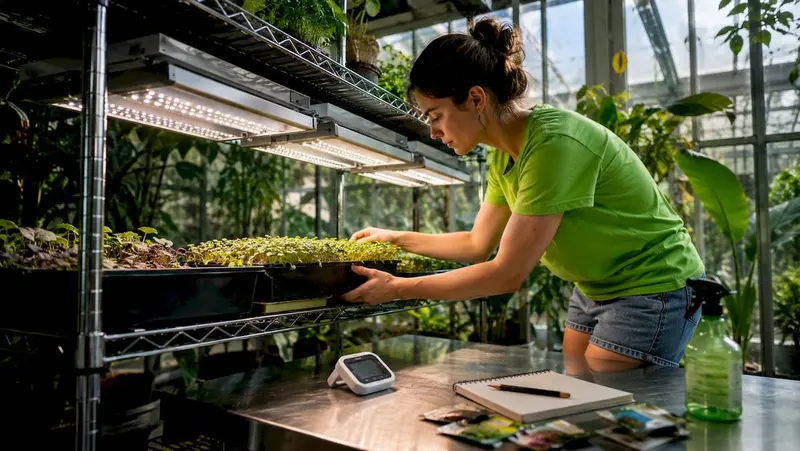
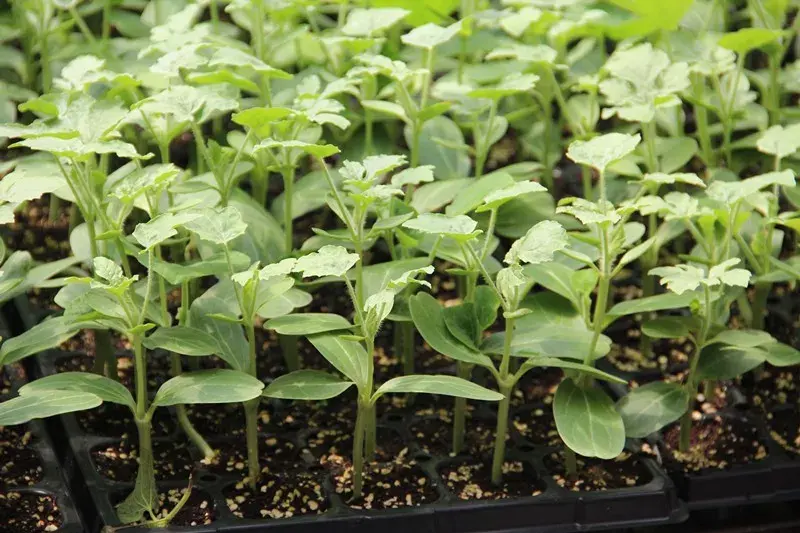
The most common mistake is hanging lights too high. If the light is too far away, seedlings will "stretch" toward it, becoming weak and fragile.
Height: For low-profile bar lights like the Grove™, keep them 1–6 inches above the tops of your seedlings. For pendant-style lights or bulbs like the Aspect Gen 2™, position them between 12–24 inches for "Full Sun" plants like tomatoes and peppers.
Automation: Seedlings need rest to process energy. Use an outlet timer to run your lights for 14–16 hours daily followed by 8 hours of darkness. This consistent cycle prevents the stress caused by erratic exposure.
In summary, while a sunny windowsill is a classic starting point, transitioning to a dedicated light setup is the most effective way to ensure your indoor nursery survives the journey to the garden. By controlling the intensity, duration, and spectrum of light your plants receive, you eliminate the guesswork and prevent the common pitfalls of weak, spindly growth.
As you prepare for the upcoming growing season, remember these three core pillars:
Keep it Close: Maintain a distance of just a few inches to maximize energy absorption.
Keep it Consistent: Use a timer to provide 14–16 hours of light, allowing for essential periods of darkness.
Keep it Moving: Use a small fan to simulate outdoor conditions and strengthen stems.
Keep lights 2–6 inches from plant tops; adjust as they grow
Turn lights on as soon as the first "green" breaks the soil
Check soil moisture daily, as supplemental light can speed up evaporation
Investing in a proper lighting system is an investment in the health of your future harvest. With the right foundation of light, your seedlings will be robust, vibrant, and ready to thrive the moment they hit the soil.


Questions & discussion
Have a question or something useful to share? Start the conversation.